


Choosing a construction career is one decision. Choosing the right workplace is another. For California apprenticeship women, knowing how to read the signals of a jobsite or training program before you commit can make the difference between building a lasting career and leaving frustrated. This guide gives you a practical way to spot the difference early.
Key Takeaways
- California apprenticeship women tend to do best in programs and job sites that show strong safety habits, respectful supervision, and structured training from day one.
- This guide focuses on what to look for before you commit: green flags, red flags, interview questions, and a simple first-week checklist.
- California’s Women in Construction resources and the ERiCA grant initiative can help connect women and non-binary people to apprenticeship support, including mentorship information, worker-rights guidance, and in some funded programs, help with barriers such as child care.
- Trades For All, powered by ABC Southern California’s ERiCA grant support, created this guide to help women and non-binary workers find inclusive apprenticeship programs and stronger construction career pathways in California.
- You will also find links to deeper guidance on pathways, inclusive jobsite culture, and apprenticeship mentor support.
Why Workplace Culture Matters As Much As the Trade
Picture your first morning on a California construction site. The foreperson gathers the crew, introduces you by name, reviews the day’s safety plan, and pairs you with a journey-level worker who explains the first task. Now picture the opposite: no introduction, no safety talk, oversized PPE, and a vague instruction to “just watch.” Both scenarios happen. Which one you walk into can shape your confidence, safety, and long-term growth.
For California apprenticeship women, the question is not only “Which trade should I choose?” It is also “Will this specific workplace help me learn, stay safe, advance, and build a career?” Workplace culture affects whether you get real training, whether questions are welcomed, whether safety concerns are taken seriously, and whether you can picture yourself staying long enough to finish the program.
California has set a goal of serving 500,000 apprentices by 2029, and the state’s Women in Construction effort is part of a broader push to make apprenticeship pathways more accessible and equitable. That creates more opportunity, but it doesn’t mean every crew or program is the right fit. This article helps you evaluate that fit before or during your first days on site.
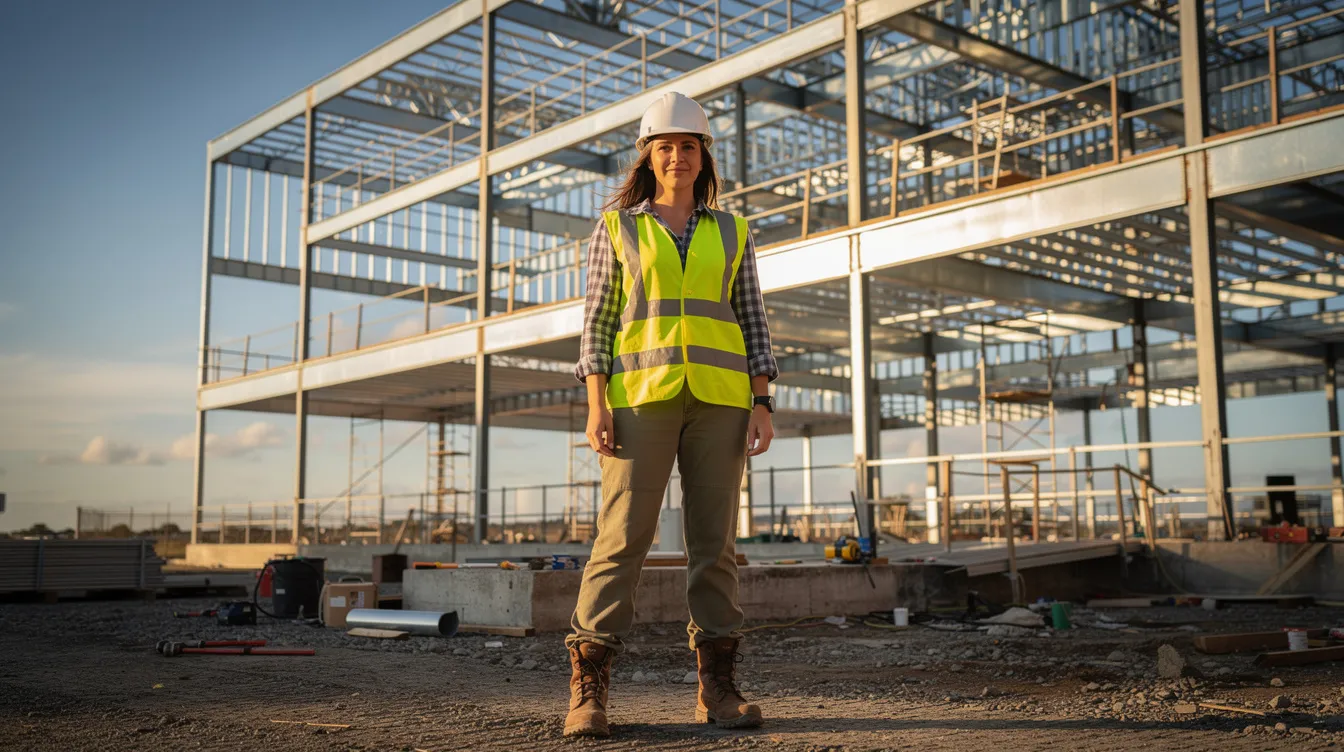
What a Supportive California Construction Workplace Looks Like in Week One
A supportive workplace is not about slogans in the break trailer. It shows up in daily behavior: clear expectations, respectful supervision, hands-on training, and visible safety habits. The best workplaces start building those habits in the first week.
Here is what to look for:
- The foreperson or supervisor introduces you to the crew by name and explains your role for the day.
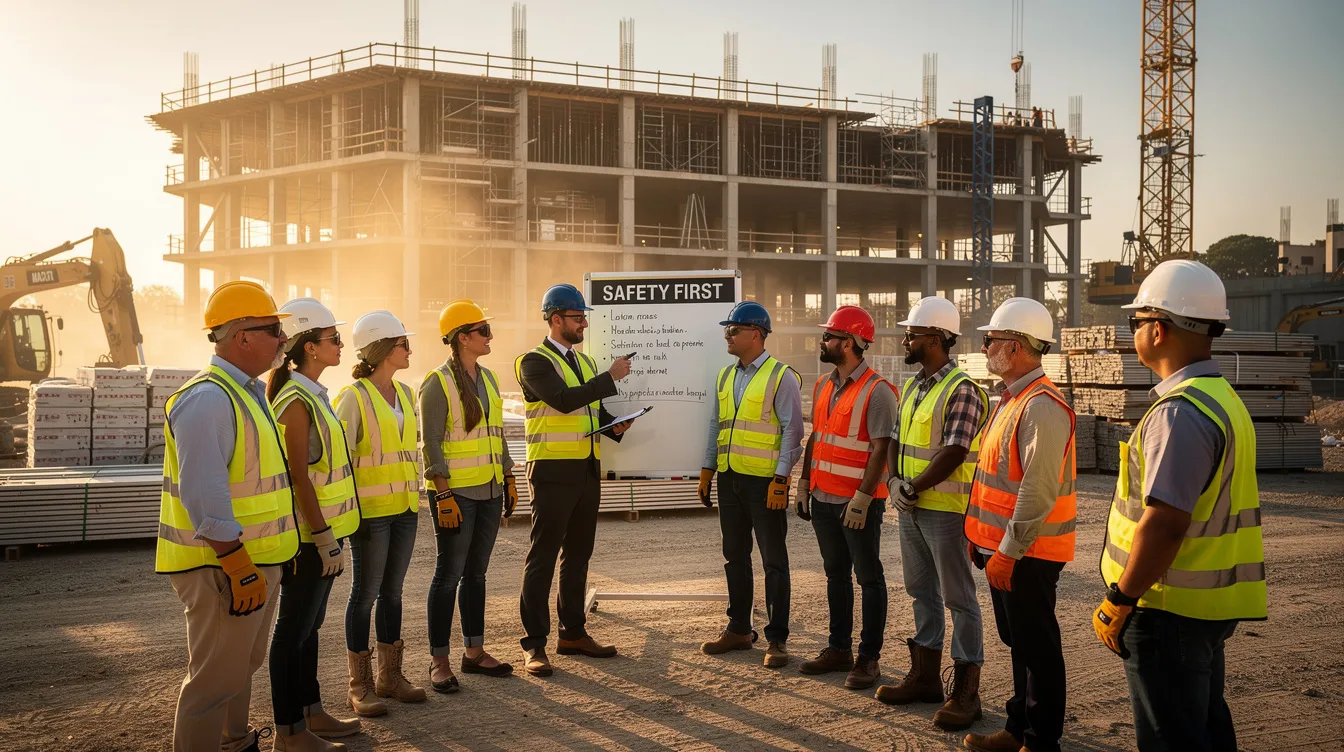
- A daily safety huddle or toolbox talk happens before work starts, and questions are welcomed.
- PPE is available in sizes that fit, instead of treating one-size-fits-all gear as normal.
- Restrooms are clean, accessible, and reasonably close to the work area.
- You receive actual learning tasks from the start, not only cleanup or material hauling with no explanation.
- Someone is clearly responsible for showing you how to use tools, materials, or processes.
- If something feels unsafe, there is a clear process for reporting it without being brushed off.
California’s Women in Construction resources emphasize workplace safety, worker rights, harassment prevention, mentorship information, and training guidance. Those are not extras. They are part of what a serious program should already be prepared to discuss.
Green Flags Before You Say Yes to a Pre-Apprenticeship or Apprenticeship
Many of the most important signals appear before you ever step onto a jobsite. Pay attention during info sessions, orientations, interviews, and tours.
Strong green flags include:
- Written training structure that explains classroom instruction, work-process rotation, and how progress is tracked.
- Formal mentorship or buddy systems so new apprentices are not left to guess their way through the first months.
- Visible inclusion in real staffing, not just in marketing photos. If women or non-binary workers are present on crews, in instruction, or in supervision, that usually tells you more than a brochure can.
- Transparent advancement with clear explanations of evaluations, pay steps, and what you need to do to move forward.
- Specific answers about safety and reporting, including who handles complaints and what happens after a concern is raised.
- Practical support awareness, such as referrals for child care resources, transportation help, or barrier-reduction support where available through funded programs.
- Respectful communication during every interaction. If staff answer beginner questions clearly instead of acting annoyed, that is a strong early signal.
Good programs tend to speak concretely. They can explain how training works, who supports new apprentices, and what success looks like over time.
Red Flags That a Jobsite or Program May Not Be Built for You
Construction is demanding work. Long days, physical effort, and steep learning curves are normal. A harmful culture is not.
Watch for these warning signs during orientations, interviews, site visits, or the first weeks on the job:
- Jokes, comments, or behavior targeting women or non-binary people.
- No clear process for reporting harassment, discrimination, or safety concerns.
- Apprentices regularly left alone with no guidance, told only to watch, or kept on repetitive helper tasks with no skill-building plan.
- No written classroom schedule or unclear rules on how raises and pay steps work.
- Being told to “stick it out” without any concrete response when you raise a concern.
- Constant chaos: no regular safety meetings, no time for questions, near misses treated as normal.
- Diverse teams featured in recruiting materials but not visible in the actual workplace.
If you see several red flags at once, it is reasonable to pause, ask more questions, or compare other California apprenticeship options. Choosing carefully at the beginning can save you time, stress, and lost momentum later.
Questions to Ask Before You Commit to Apprenticeship Programs or Pre-Apprenticeship
Bring these questions to your next information session or interview. The answers, and how confidently they are given, will tell you a great deal.
About training:
- Who will show me how to use new tools or perform new tasks?
- What does the classroom instruction schedule look like, and how is progress tracked?
- How will I know whether I am on track in the program?
About culture and respect:
- How does your team handle harassment or bullying?
- What happens if someone reports a safety concern?
- Can you describe how you support a new apprentice in the first few months?
About career progression:
- How do evaluations, raises, and advancement work?
- How long does the program usually take to complete?
- What kinds of roles do people move into after they gain experience?
These questions work whether you are a student, parent, veteran, career changer, or returning citizen. Detailed, calm answers are a good sign. Vague or defensive answers are useful information too.
How California’s Women-in-Construction Support System Fits In
California’s Women in Construction resources help women explore construction careers, understand their rights, and find information on safety, mentorship, child care resources, and training options. The Division of Apprenticeship Standards also highlights construction apprenticeship as a path to career advancement, job security, and paid learning.
The Equal Representation in Construction Apprenticeship grant, known as ERiCA, supports efforts to expand access for women, non-binary individuals, and other underrepresented populations in construction. Public information about ERiCA describes support for outreach, worksite-culture improvement, and barrier reduction. Some funded programs may include help with child care costs.
Many women start with pre-apprenticeship or apprenticeship-readiness programs that build basic construction math, safety knowledge, teamwork, and exposure to different trades before entering a registered apprenticeship. Apprenticeships combine paid work experience with classroom learning, which is one reason they can be such a strong debt-free path into the skilled trades.
For California apprenticeship women, these state resources are useful for more than finding openings. They also give you a benchmark for what respectful, well-structured support should look like.
Choosing the Right Path: Trades, Technology, and Long-Term Career Growth
Once you know what a good workplace looks like, the next question is which path best fits your strengths.
Traditional apprenticeship programs can lead to trades such as electrical, plumbing, low voltage, sheet metal, or HVAC. Over time, those paths can open doors to field leadership, estimating, safety, coordination, and other growth opportunities. Some people stay close to the tools for their full careers. Others move into planning, supervision, or training.
Some readers may be especially interested in construction technology roles, including work connected to digital plans, layout tools, or building information modeling. Even if you start in a hands-on trade, it is worth asking whether the program exposes apprentices to the broader systems that shape modern construction.
If you are still deciding between pathways, compare how different options fit your schedule, your learning style, and the kind of work environment you want. If you need that bigger-picture comparison first, the Women in the Trades Pathway Guide is the best next read before you commit.
Special Considerations for Parents, Veterans, Returning Citizens, and Non-Binary Workers
California apprenticeship women are not one single group. Different readers may need to screen programs for different reasons.
- Parents and caregivers: Ask about start times, overtime expectations, jobsite changes, and whether staff can point you toward child care resources or barrier-reduction support available through funded programs.
- Veterans: Ask whether the program has experience working with veterans and whether staff can explain how military experience or GI Bill-related questions fit into the training path.
- Returning citizens: Ask directly about background-check policies and whether the program or employer works with fair-chance hiring or reentry support partners.
- Non-binary workers and LGBTQ+ women: Look for respect in language, pronoun use, and workplace policies. If a team uses your correct name and pronouns from day one, that tells you something meaningful about the culture.
The point is not to find a perfect program. It is to find one that treats your real life as part of the planning conversation, not as an inconvenience.
How Trades For All Helps You Find a Jobsite Where You Can Thrive
Trades For All is a California career-discovery and workforce-development platform powered by ABC Southern California through ERiCA support. Its role is to help women and other underrepresented job seekers explore trade pathways, compare options, and move toward stronger first steps in construction.
If you are still exploring, start with the pathway guide. If you already have an offer or a first site lined up, the first-job retention guide can help you think about what comes next after you say yes. And if you want a clearer picture of how guidance works on the ground, the apprenticeship mentor resource is a strong companion read.
Your next step could be taking the Trades For All career quiz, exploring women-in-construction content, or reaching out to connect with reputable pre-apprenticeship and apprenticeship pathways in California.
Putting It All Together: A One-Page Checklist for Your Next Site or Program
Save this list for your next information session, orientation, or first day.
Green Flags:
- Respectful communication from crew and supervisors
- Clear safety process with regular huddles or toolbox talks
- Visible training structure with classroom instruction and progress tracking
- Women and non-binary workers visible in real roles, not just recruiting materials
- PPE that fits your body
- Structured feedback and clear expectations
- A designated person who helps new apprentices learn
- Specific explanations of how to report concerns or near misses
Red Flags:
- No process for complaints or harassment reporting
- Crude comments or jokes targeting women
- Only cleanup tasks with no hands-on training plan
- No classroom instruction schedule or vague answers about the program
- Supervisors who mock questions or dismiss safety concerns
- Pressure for productivity without the training or tools to work safely
Before You Say Yes:
- Who will supervise and teach me day-to-day?
- What does the training schedule look like?
- How do evaluations, raises, and advancement work?
- How does the team handle harassment or safety concerns?
- What support exists for parents, caregivers, or other access needs?
- Can I talk to a current or former apprentice about their experience?
Review this checklist with a trusted mentor, parent, teacher, counselor, or veteran service contact before accepting an offer. The goal is not perfection. It is a workplace that is moving in the right direction on safety, respect, and real learning for California apprenticeship women.
Frequently Asked Questions
This section answers a few common questions that often come up after the main guide.
Can I switch to a different apprenticeship program if the culture is not a good fit?
Sometimes, yes, but it depends on the program rules, available openings, and your standing. Talk with a trusted instructor, mentor, or program coordinator before making a move. Keep written notes about major concerns and any steps you took to address them.
What should I do if I experience harassment or discrimination during my apprenticeship?
Document what happened with dates and details, use the program or employer reporting channels if it feels safe to do so, and review California’s Women in Construction resources for worker-rights and support information. You do not need to ignore serious problems to protect your future.
Is it realistic to balance child care with a construction apprenticeship schedule?
It can be challenging because start times are often early and job sites may change, but many apprentices make it work with planning and support. Ask directly whether a program can refer you to child care resources or whether barrier-reduction help is available through funded partners.
Do I need prior construction experience before joining a pre-apprenticeship?
Usually not. Many pre-apprenticeship and apprenticeship-readiness programs are designed for beginners. Reliability, willingness to learn, and basic comfort with math, safety, and teamwork usually matter more than prior jobsite experience.
How can I find a mentor if my program does not assign one?
Mentors can come from formal programs, instructors, experienced journey-level workers, or women-in-construction networks. Start with Trades For All’s apprenticeship mentor support resource, and look for someone willing to answer questions consistently and help you learn how the worksite really operates.



