


Key Takeaways
- Construction careers align directly with military values like teamwork, discipline, safety awareness, and mission-focused execution—making veterans highly sought after by employers across the construction industry.
- The field offers far more than hands-on labor: skilled trades, supervision, project management, safety coordination, logistics, estimating, and office-based operations are all viable paths for veterans with different interests and physical preferences.
- Veterans can translate military experience into construction language by focusing on measurable outcomes, leadership responsibilities, and safety-related achievements rather than jargon or MOS codes.
- Multiple free or low-cost training pathways exist specifically for veterans, including registered apprenticeships, employer-paid programs, and GI Bill-eligible technical training.
- A focused 30-day action plan—clarifying your target role, building your resume, and applying to veteran-friendly employers—can launch your construction career with real momentum.
Introduction: Why Construction Is a Natural Fit for Veterans
If you served in the armed forces, you already understand what it takes to complete complex projects under pressure. You’ve worked in teams where accountability wasn’t optional. You’ve followed strict safety protocols because lives depended on it. And you’ve operated within a chain of command that valued discipline, reliability, and mission focus over excuses.
These are exactly the qualities that construction employers need—and struggle to find in the civilian workforce.
Modern construction operates like a deployment. Every project has clear objectives, defined timelines, assigned roles, and a coordinated sequence of operations. Construction careers directly contribute to the country’s infrastructure and economic growth, making your work vital to national progress. Whether you served in the Army, Navy, Marine Corps, or any other branch, you’ve already experienced the core dynamics of a well-run jobsite: changing conditions, diverse teams working toward a shared goal, and the pressure to deliver results safely and on schedule.
This guide is built for U.S. military veterans and service members exploring construction as a long-term career. Many veterans discover a passion for building and take pride in contributing to national development through construction. You’ll find a clear breakdown of the different paths available—from hands-on trades to office-based roles—along with practical guidance on translating your experience, finding training, understanding compensation, and taking action within your first 30 days. Construction isn’t just a job. For many vets, it becomes their next mission.
What “Construction Careers” Actually Include
When most people hear “construction,” they picture someone swinging a hammer on a house frame. That’s one slice of a much larger industry. Construction careers stretch across field work, technical roles, planning, safety, logistics, and office-based operations. The work environments range from outdoor jobsites to climate-controlled trailers to corporate headquarters.
Skilled professionals and employees play a critical role in delivering successful construction projects and maintaining high safety standards, drawing on diverse expertise and training to ensure quality and efficiency.
The construction industry itself covers multiple segments:
- Commercial construction – office buildings, retail centers, hotels, hospitals
- Industrial construction – manufacturing plants, refineries, power facilities
- Infrastructure – roads, bridges, tunnels, utilities, water systems
- Residential construction – single-family homes, apartments, housing developments
- Specialty trades – electrical, mechanical, concrete, steel, roofing, and more
Within these segments, career categories fall into distinct tracks that offer different day-to-day work and long-term growth:
| Career Category | Examples |
|---|---|
| Hands-on skilled trades | Electrician, carpenter, equipment operator, welder, HVAC technician, plumber, concrete finisher |
| Leadership and supervision | Foreman, superintendent, general superintendent |
| Technical and planning roles | Project engineer, estimator, scheduler, quality control inspector |
| Safety and risk management | Safety coordinator, safety manager |
| Logistics and support | Warehouse manager, logistics coordinator, fleet manager |
| Office-based construction operations | Project manager, contracts administrator, HR, accounting, procurement |
Many careers blend field and office responsibilities. It’s common to start in the field and move progressively into supervision, project management, or safety roles over five to ten years. The path you choose depends on your interests, physical preferences, and long-term goals.
Why Veterans Are a Strong Fit for Construction
Construction companies across America actively recruit veterans because military training and mindset align with what’s needed on complex projects. This isn’t charity—it’s business logic. The industry faces a documented skills gap, and employers recognize that vets bring experience, drive, and professionalism that’s difficult to teach.
Here’s how specific military strengths translate to construction needs:
- Teamwork and unit cohesion → Coordinating with multi-trade crews on busy jobsites where everyone depends on everyone else
- Discipline and reliability → Showing up on time every day, following procedures exactly, and meeting tight schedules
- Safety culture and risk awareness → Understanding PPE requirements, hazard identification, and the importance of incident reporting
- Leadership under pressure → Supervising crews, handling schedule changes, and solving problems when plans fall apart
- Technical and mechanical aptitude → Operating equipment, reading technical manuals, and adapting to new tools and technology
- Logistics and planning → Material staging, equipment scheduling, and understanding the sequence of work across a project
Veterans are often comfortable in structured environments with clear expectations. A well-run construction project operates with plans, checklists, and standard operating procedures—familiar territory for anyone who served.
The transition can still feel unfamiliar. Terminology is different. Business culture has its quirks. Career structures don’t always map cleanly to military rank. But the underlying skills you developed through service are highly transferable, and employers in the private sector know it.

Choosing Your Direction: How to Find the Right Construction Career Path
Not every veteran wants the same role. Some prefer physical, outdoor work. Others prefer planning, coordination, or office-based responsibilities. Before you start applying, it’s worth thinking through a few key questions.
Self-Assessment Questions
| Question | What It Helps Clarify |
|---|---|
| Do you want to be on your feet outdoors most days, or in a more controlled environment? | Whether trades or office-based roles suit you better |
| Are you OK with early start times (6–7 a.m.), occasional overtime, or travel? | Schedule tolerance and lifestyle fit |
| Do you prefer faster entry with paid training (apprenticeship) or a more technical path with classroom or computer work? | Long-term income goals and learning preferences |
| Are you drawn to building with your hands, coordinating others, solving technical puzzles, or ensuring safety and quality? | Role type that matches your interests |
Example Profiles
Former infantry squad leader who enjoys physical work and leadership: Target path from laborer → carpenter apprentice → foreman → superintendent. You’ll start learning a trade while applying the leadership skills you’ve already developed. Within a few years, you could be running crews.
Former IT or communications specialist (25B, 3D0X2, or similar): Consider project engineer, BIM technician, or scheduler roles that combine technology and planning. These positions use software tools, coordinate with field teams, and don’t require heavy physical labor.
Former logistics or supply specialist: Warehouse manager, logistics coordinator, or equipment manager roles are a natural fit. You already understand inventory control, asset tracking, and keeping operations running on schedule.
It’s normal to start in an entry-level position and pivot within construction after six to eighteen months as you better understand what suits you. The industry rewards people who show up, stay safe, and keep learning.
Career Track 1: Hands-On Skilled Trades
Skilled trades are the backbone of construction and often the fastest way to get started with paid training and clear progression. If you want to build things with your hands and see tangible results of your work, this track is worth serious consideration.
Common Trades Roles
Carpenter, electrician, plumber, pipefitter, HVAC technician, sheet metal worker, ironworker, welder, equipment operator, concrete finisher, roofer
What the Work Looks Like
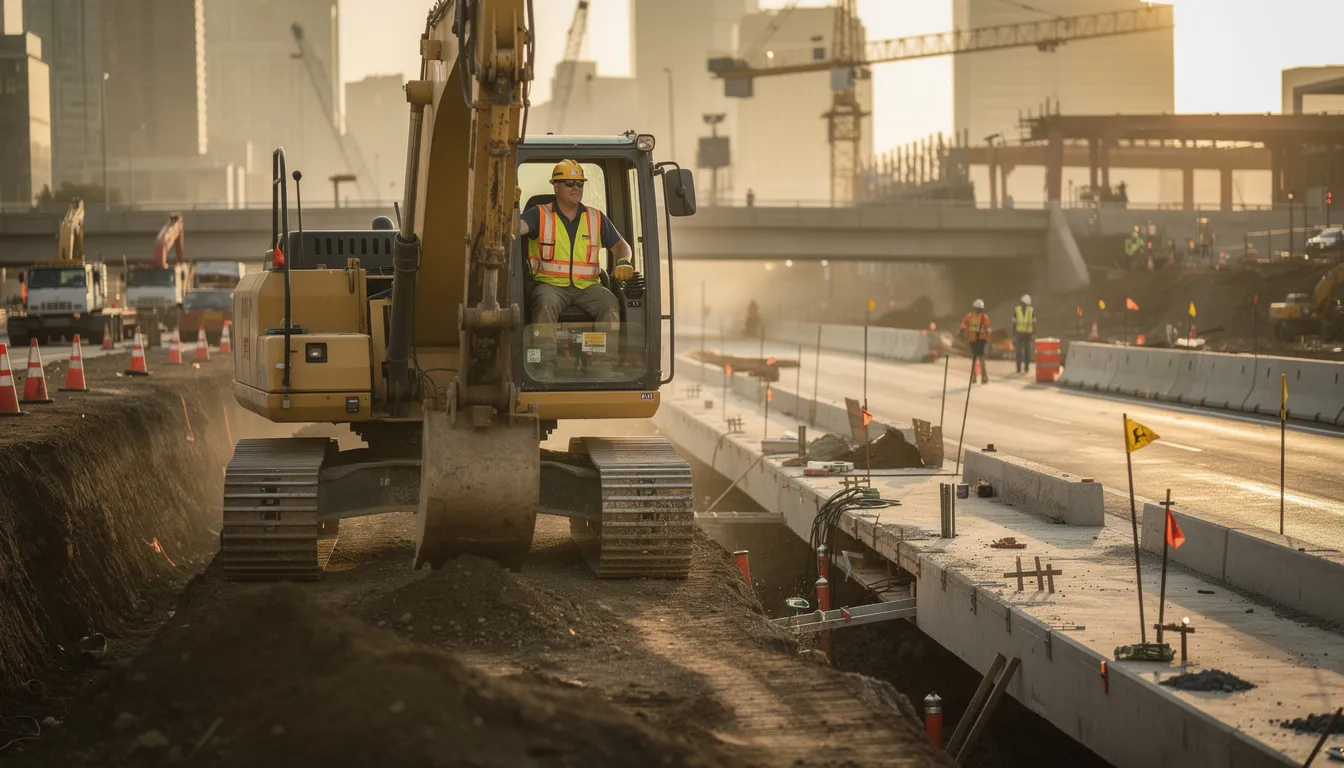
Day-to-day, you’ll work on active jobsites—building, installing, and repairing structures or systems. You’ll use hand and power tools, read basic drawings, and follow instructions from your foreman and superintendent. Collaboration with other trades under tight schedules and safety rules is constant.
Skills and Traits That Help Veterans Thrive
- Comfort with physical work and varied weather conditions
- Ability to follow detailed procedures and safety protocols
- Willingness to learn through apprenticeship and on-the-job training
- Team mindset and clear communication with supervisors and peers
Typical Entry Paths
- Start as a general laborer or helper with a contractor who provides on-the-job training
- Join a registered apprenticeship program (typically 3–5 years) combining classroom learning with paid work
- Use GI benefits where available to support apprenticeship or technical college related to the trade
The UBC Military Veterans Program offers an 8-week free training program leading to direct entry and one-year credit into a Carpenter Apprenticeship. McCarthy runs 12-week cohorts in carpentry, plumbing, electrical, solar, and HVAC. Helmets to Hardhats connects veterans with federally-approved apprenticeships requiring no prior experience.
Progression and Income Growth
Realistic progression runs from apprentice to journeyman to foreman, with increasing pay, responsibility, and potential for overtime. OSHA 10-Hour certification, print reading, and forklift operation are common early credentials. Many programs offer earn-while-you-learn models that let you build income while developing skills.
Career Track 2: Leadership and Field Supervision
If you served as an NCO or junior officer, field leadership roles like foreman, assistant superintendent, and superintendent connect directly to your experience. You’ve already led squads, sections, or platoons. Now you’ll lead construction crews.
What Field Supervision Roles Do
- Organize crews, assign tasks, and ensure quality and productivity on site
- Coordinate with project managers, inspectors, and other trades
- Enforce safety standards and conduct toolbox talks and pre-task planning
- Solve problems when plans change, materials are delayed, or weather impacts work
Many supervisors start as craftworkers and move into leadership after several years. However, veterans with strong leadership backgrounds can often accelerate this path if they master basic construction knowledge quickly.
Abilities That Stand Out to Employers
- Experience leading squads, sections, or platoons under stress
- Writing and enforcing SOPs, conducting safety briefings, and maintaining accountability
- Managing time, resources, and equipment under pressure
- Communicating clearly up and down the chain of command
Starting Roles for Veterans Aiming at Supervision
- Lead laborer or crew lead positions where leadership plus learning the trade are both emphasized
- Assistant superintendent or field engineer roles on larger projects, often paired with on-the-job mentoring
Organizations like BuildStrong Academy offer career coaching specifically for translating military skills to construction, which can help veterans identify the fastest path to supervision based on their background.
Career Track 3: Technical, Planning, and Office-Based Roles
Not all construction careers require a tool belt. Many critical roles are primarily technical or office-based but remain closely tied to field operations.
Key Roles in This Track
| Role | What You Do |
|---|---|
| Project engineer | Assists with submittals, RFIs, coordination between design and field, quantity tracking |
| Estimator | Reviews drawings, quantifies materials and labor, builds cost estimates for bids |
| Scheduler | Uses software (Primavera P6, MS Project) to plan and update construction timelines |
| BIM/VDC technician | Works with 3D models to coordinate mechanical, electrical, and plumbing systems |
| Contracts or project administrator | Handles documentation, change orders, and compliance |
Day-to-Day Work
Expect heavy use of computers and software tools. You’ll review drawings, specifications, and data while coordinating frequently with field teams, vendors, and designers. The work happens in trailers, offices, and on-site meetings.
Military Backgrounds That Fit Well
- Communications, IT, and intel roles → Strong fits for technical analysis, modeling, or scheduling
- Engineers, surveyors, and construction battalion veterans → Natural fits for project engineering and estimating
- Administration, personnel, and finance specialists → Good candidates for project administration and construction accounting
Some employers prefer or require an associate or bachelor’s degree for these roles, but many are open to strong experience plus targeted training or certifications. Don’t assume you need a college degree to break in.
Translating Military Experience into Construction Language
Many civilian hiring managers don’t understand MOS or AFSC codes. They’ve never heard of your branch’s rank structure or acronyms. To get hired, you need to translate your experience into language that fits construction job descriptions and resonates with employers in the private sector.
Example Mappings
| Military Role | Construction Equivalent |
|---|---|
| Squad leader / team leader | Crew leader or foreman (responsible for training, safety, daily tasking, and performance of a small team) |
| Platoon sergeant | Superintendent or senior foreman (coordinating multiple crews, equipment, and schedules) |
| Logistics specialist (92Y, 2S0X1, similar) | Construction logistics coordinator, warehouse manager, equipment manager |
| Combat engineer / Seabee / construction battalion | Direct alignment with carpentry, concrete, heavy equipment, utilities roles |
| Safety NCO or officer | Safety coordinator or safety manager overseeing hazard analysis and compliance |
Sample Bullet Point Rewrites
Instead of: “Led a squad of 9 soldiers in combat operations” Write: “Supervised a 9-person team on high-risk operations, maintaining 100% accountability and zero safety incidents over 12 months”
Instead of: “Managed company-level equipment worth $5M” Write: “Managed inventory, maintenance, and readiness of $5M in vehicles and equipment with no loss or reportable damage”
Instead of: “Developed and delivered weekly safety briefs” Write: “Created and delivered weekly safety trainings, resulting in improved compliance and reduced near-miss incidents”
What Construction Employers Evaluate
- Reliability, punctuality, and strong attendance record
- Safety mindset and willingness to follow (and enforce) procedures
- Ability to learn quickly and adapt to new systems
- Communication skills and teamwork across different trades and departments
Resume Guidance
- Use plain English and avoid unexplained military acronyms
- Focus on measurable outcomes: numbers, timelines, budgets, people supervised, equipment managed
- Mirror language from construction job postings (e.g., “coordinated,” “installed,” “inspected,” “scheduled,” “supervised,” “maintained”)
Training and Credential Pathways for Veterans Entering Construction
Construction values skills and experience. Innovation plays a key role in construction training and credential pathways, with the industry adopting emerging technologies and modern methods to improve efficiency and safety. Veterans can leverage their military-acquired skills through specialized programs like Helmets to Hardhats and NCCER’s Hard Hat Heroes. Multiple routes exist for veterans to gain any specific technical training they need, and many pathways are available at limited cost—or no cost at all.
Registered Apprenticeships
- Typical length: 3–5 years combining paid on-the-job training with classroom instruction
- Common sponsors: trade unions, contractor associations, and large construction companies
- Some apprenticeships may be eligible for GI Bill benefits, potentially adding a VA housing allowance on top of wages
Helmets to Hardhats operates as a national nonprofit with over 100,000 former military career seekers in their database. They connect veterans with federally-approved apprenticeships at no cost to the veteran.
Community and Technical College Options
Programs in construction management, building trades, welding, HVAC, electrical technology, and heavy equipment operation are widely available. Many colleges have veteran services offices that help with VA education benefits and credit for military training.
Employer-Paid Training
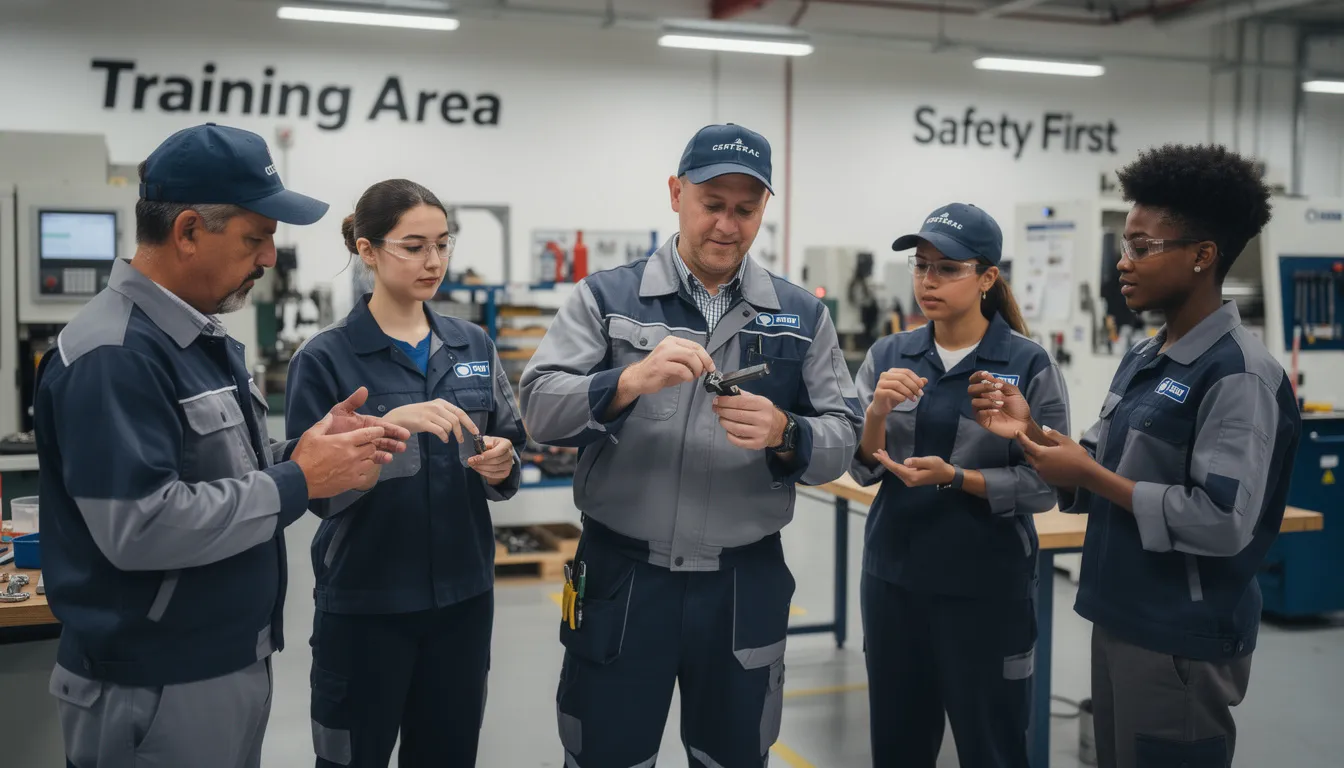
Many contractors run in-house craft training, foreman academies, or entry-level programs where you start as a laborer and receive structured training toward a trade or supervision role. When evaluating employers, ask specifically about their training and promotion pathways.
Industry Certifications
- OSHA 10 and OSHA 30 safety cards for construction
- NCCER credentials or similar craft certifications
- For technical roles: PMP (project management), scheduling software training, or BIM/VDC software courses
The Hard Hat Heroes Initiative through NCCER provides free certifications for veterans. This is a concrete resource worth exploring.
The Importance of Safety Training
A clean safety record and formal safety training are highly valued in construction. Highlight any military safety courses, risk assessments, or incident prevention responsibilities you completed. Employers consistently cite safety mindset as a top trait they seek in candidates.
A Realistic Path Forward
Start in an entry-level role. Get initial safety and basic trade training within 30–90 days. Build skills and pay steadily over 2–5 years. The progression is real, but it requires showing up consistently and staying committed to learning.
Compensation, Stability, and Real-World Expectations
Construction can offer strong long-term earnings and benefits, especially as skills and responsibilities increase. But pay and stability vary by region, trade, and market conditions. Here’s an honest overview.
How Pay Typically Grows
- Entry-level and apprentice roles start lower but typically increase at set intervals as skills are proven
- Journeyman-level tradespeople, experienced operators, and foremen often earn significantly more, especially with overtime
- Superintendents, project managers, and specialized technical roles can reach high earnings over time, often with bonuses and strong benefits
Resources for Researching Local Pay
- Bureau of Labor Statistics (BLS) Occupational Outlook data for specific trades and roles
- State apprenticeship agency or union wage sheets
- Job postings in your target region
Common Challenges to Expect
| Challenge | What It Means |
|---|---|
| Physical demands | Standing, lifting, climbing, working in PPE |
| Early mornings | Start times often 6–7 a.m., sometimes earlier |
| Weather exposure | Heat, cold, rain on outdoor projects |
| Project-based nature | Occasional layoffs or project gaps in some markets |
Positives That Balance the Challenges
- Strong sense of accomplishment from seeing tangible results of your work
- Camaraderie similar to unit life, especially on long-term projects
- Clear advancement opportunities for those who show up consistently, work safely, and keep learning
When evaluating job offers, look beyond hourly wages. Consider the total package: health insurance, retirement plans, overtime potential, training support, and career path clarity. A company that invests in your future is worth more than one that pays slightly higher today but offers no growth.
Your First 30 Days: A Practical Transition Plan into Construction
Here’s a step-by-step, action-oriented timeline to follow over your first month of seriously pursuing construction careers. For many veterans, engaging in construction careers for the first time brings a sense of achievement and marks a significant new chapter in their professional journey.
Days 1–7: Clarify Your Target Path
- Research 2–3 roles that match your background and preferences (e.g., electrician apprentice, equipment operator, project engineer)
- Collect 5–10 job postings in your area to see common requirements and language
- Translate your military experience into a draft resume using construction terms
Days 8–14: Build Your Foundation
- Update your resume and LinkedIn (if used) with civilian-friendly descriptions and measurable achievements
- Identify local apprenticeship programs, community colleges, and construction employers that hire veterans
- Complete or sign up for basic safety training (OSHA 10) or note your safety background prominently on your resume
Days 15–21: Start Applying and Networking
- Submit targeted applications to entry-level or apprenticeship roles that align with your goals
- Reach out to veteran employment organizations, local union halls, or community college veteran advisors for support
- Prepare a simple “story” for interviews that connects your military experience directly to reliability, safety, and teamwork in construction
Days 22–30: Interview and Evaluate Offers
- Attend interviews and site visits dressed appropriately (work-appropriate clothing or business casual, depending on role)
- Ask informed questions about safety culture, training programs, and advancement paths
- Evaluate offers based not only on pay but also on mentorship, stability, and long-term growth potential
How to Evaluate an Employer
Ask yourself these questions when considering an offer:
- Do they talk seriously about safety, or just mention it briefly?
- Can they clearly explain how new hires progress in pay and responsibility?
- Is there evidence of veterans in their workforce or leadership?
- Do they offer consistent work or have a track record of frequent layoffs?
By the end of 30 days, commit to one realistic next step—enrolling in an apprenticeship application process or accepting an entry-level role with clear training support.

How to Present Yourself to Construction Employers
How you show up matters as much as what you’ve done. Construction leaders prioritize attitude, reliability, and safety over perfect technical experience. They can teach you the trade. They can’t teach you to care.
Veterans bring a high level of professionalism and commitment that not only benefits fellow employees but also positively impacts the clients and customers they serve in the construction industry. This dedication helps ensure customer satisfaction and strengthens relationships with clients, making veterans valuable assets to any construction team.
Professional Presentation
- Be early to interviews, orientations, and your first day on site
- Dress neat and practical; if visiting a jobsite, bring appropriate PPE if requested
- Bring a simple, clean resume and be prepared to explain your military timeline clearly
Interview Talking Points to Emphasize
- Safety: Examples where you prevented or responded to hazards or incidents
- Leadership: Stories of leading small teams under stress, training junior personnel, or enforcing standards
- Accountability: Times you maintained equipment, handled sensitive materials, or met tough deadlines
- Adaptability: Experiences learning new systems, equipment, or environments quickly
Communication Approach
Answer questions directly. Avoid jargon. Be honest about what you don’t know technically, but highlight your willingness to learn and be trained. Ask for clarification if you don’t understand a term.
Strong Closing Questions
- “How do you train new hires with limited construction experience?”
- “What does success look like in this role after the first 6–12 months?”
- “How does your company support veterans or career changers?”
Conclusion: Construction Can Be Your Next Mission
Construction offers veterans something many miss after service: purpose, visible results, camaraderie with a team, and a clear path forward. You’ll build things that last. You’ll work alongside people who value showing up, working hard, and doing things right.
The industry needs what you bring. Your leadership, discipline, technical skills, and safety culture are exactly what employers seek as experienced workers retire and the demand for building America’s future grows. Organizations like Helmets to Hardhats, the UBC Military Veterans Program, and contractors like Clark Construction and McCarthy have developed partnership programs specifically to connect with veterans serving in uniform today and those who’ve already transitioned. Companies like McCarthy have a long history of supporting former service members of the United States Armed Forces, demonstrating the construction industry’s longstanding commitment to veterans.
Don’t wait for the perfect moment or complete clarity. Pick one target path—a specific trade, a supervision track, a technical role—this week. Update your resume using the translation guidance in this article. Contact a local apprenticeship program, reach out to a veteran-friendly contractor, or visit Apprenticeship.gov to explore registered programs. Momentum matters. Your willingness to learn and commitment to excellence will open doors.
Construction isn’t just a career. For many vets, it becomes a way to keep serving—building communities, building a great fit between your skills and their needs, and building a life with security, stability, and pride in your work.

FAQ
Do I need prior construction experience to be hired by a contractor?
Many entry-level construction jobs and apprenticeship roles do not require prior industry experience, especially for veterans with strong work history and safety training. Employers often provide on-the-job training for motivated candidates who show up consistently and follow instructions. Highlight any relevant hands-on or mechanical experience from the military, even if it wasn’t labeled as “construction”—equipment operation, facilities maintenance, and engineering work all count.
Can I use my GI Bill benefits for construction training or apprenticeships?
Many registered apprenticeship and trade-related college programs are eligible for GI benefits, but eligibility varies by state and program sponsor. Check the VA’s WEAMS Institution Search or talk directly to a school or apprenticeship veteran representative to confirm. In some approved apprenticeships, veterans may receive a housing allowance in addition to their wages, which can significantly support your transition.
What if I have a service-connected disability—can I still work in construction?
Many veterans with disabilities work successfully in construction, sometimes in less physically demanding roles or with accommodations. Technical, planning, safety, quality control, or office-based roles may be strong options if heavy physical labor isn’t feasible. Contact VA Vocational Rehabilitation & Employment (VR&E) to explore tailored training and job placement resources designed for your situation.
How long does it typically take to advance in a construction career?
Most apprentices reach journeyman level in 3–5 years. Motivated individuals can move into lead or foreman roles a few years after mastering their trade. Advancement speed depends on performance, attitude, market conditions, and the training culture of your employer. Seek companies that offer clear progression steps and documented training programs—they’ll help you move faster.
Are there construction employers that specifically focus on hiring veterans?
Yes. Many national and regional contractors actively recruit from the military community and partner with veteran organizations, transition programs, and military bases. Search job postings using filters for “veteran-friendly,” “military hiring,” or “SkillBridge,” and check company careers pages for dedicated veteran sections. Network with other veterans already in construction to identify employers known for strong support, mentorship, and advancement opportunities for former service members.



