Key Takeaways
- The electrician career path offers California career seekers a debt-free, high-paying second-chance opportunity with structured progression from apprentice to journeyman electrician to master electrician or contractor over 4-5 years.
- Aaron Viveros overcame addiction and homelessness to earn his contractor’s license and electrical certification, becoming ABC Southern California’s 2024 Teacher of the Year—proof that this path is genuinely accessible.
- California’s DAS-registered apprenticeship programs let you earn while you learn, combining roughly 8,000 hours of paid on-the-job training with classroom instruction in electrical theory, blueprint reading, and the national electrical code.
- Long-term demand for skilled electricians remains strong, especially in smart lighting systems, control systems, and clean energy—positioning you for decades of stable work.
- Your next step: explore the four trade pathways at TradesForAll.org and connect with ABC Southern California apprenticeship options.
Aaron Viveros’s Origin Story: Knocking on a Trailer Door at San Antonio Hospital
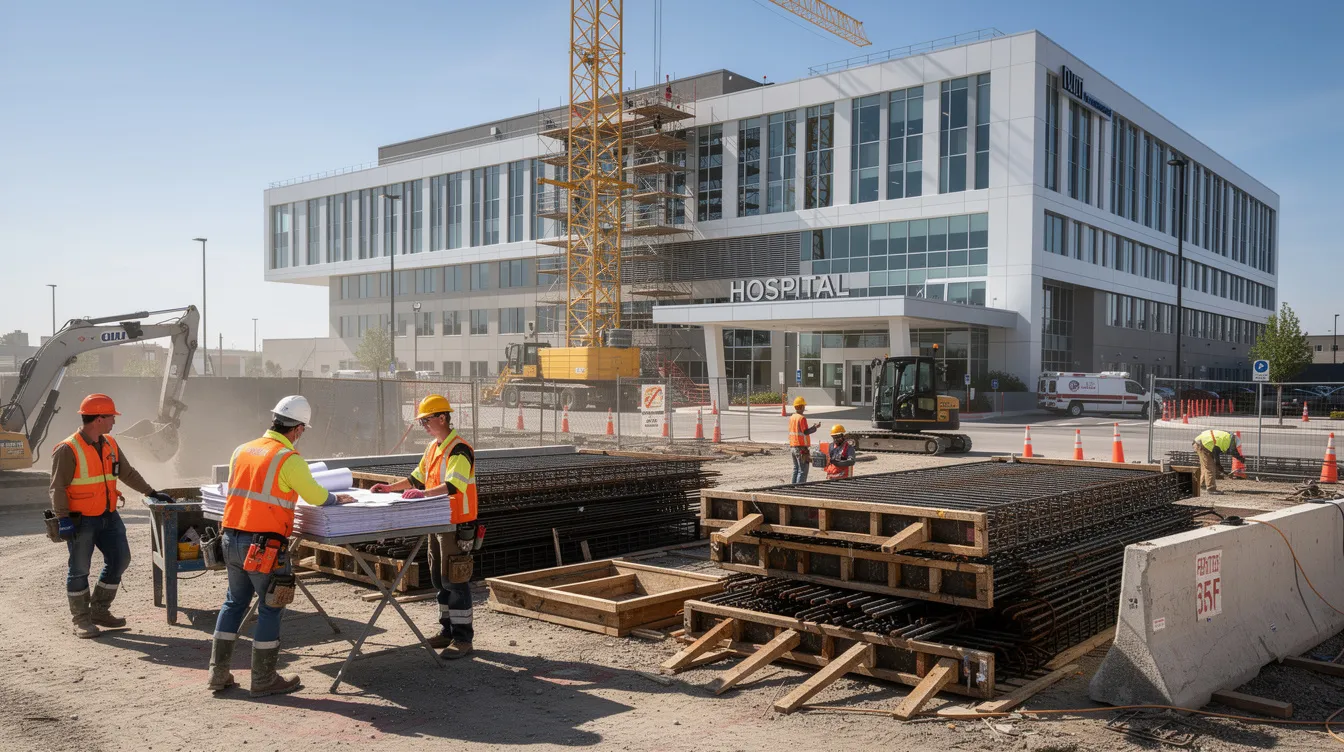
Picture Upland, California, sometime in the 2000s. Aaron Viveros is standing outside San Antonio Regional Hospital during a family crisis, staring at a construction trailer. He has no trade experience, no plan—just desperation and the willingness to ask for any kind of work.
The superintendent pointed him toward ABC Southern California and an electrical contractor. That moment—knocking on a trailer door—was when Aaron’s electrician career path truly began.
He started with basic labor: hauling material, sweeping floors, and stocking tools. ABC SoCal connected him to formal electrical apprenticeship training while he worked. Years later, Aaron would return to San Antonio Hospital as a certified electrician and licensed contractor, helping build a new wing. Every ventilator connection, every exam light in that wing had to work perfectly—because patients’ lives depended on it.
From First Day on Site to Licensed Pro: How You Actually Become an Electrician
In California, most future electricians enter through a 4- or 5-year DAS-registered apprenticeship approved by the Division of Apprenticeship Standards. Most electricians learn their trade through these programs, which typically include 2,000 hours of paid on-the-job training and technical instruction each year.
Aaron’s path took nearly seven years before he earned both his California electrical certification and his C-10 contractor’s license. Electricians typically receive technical instruction during their apprenticeship covering electrical theory, blueprint reading, mathematics, electrical code requirements, and safety practices.
Electricians typically progress through three main career levels: apprentice, journeyman, and master electrician.
Apprentice Electrician: Your First Step into the Trade
Before working with electrical systems, candidates must meet foundational baseline standards. A high school diploma or equivalent is required to become an electrician. ABC Southern California and similar programs also use basic math and reading assessments.
An apprentice electrician works under the direct supervision of a licensed electrician and cannot work independently or pull permits, earning 40-60% of journeyman wages. Color vision is essential for electricians as they need to identify electrical wires by color. Electricians also require physical stamina and strength to move around all day and handle heavy components, which may weigh up to 50 pounds.
Year-by-year progression:
- Years 1-2: Hand tools, pulling wire, installing boxes, basic residential wiring
- Years 3-5: Commercial panels, feeders, and troubleshooting skills development
Apprenticeships typically require completion of 8,000 to 10,000 hours of documented work experience, along with 576-800 hours of classroom instruction. You’re paid from day one—no college debt required.
Journeyman Electrician / Certified Electrician: Working on Your Own
A journeyman electrician holds a state or local license, allowing them to work independently and pull permits, but they cannot supervise apprentices in most states. After logging required hours, you apply for the California state electrical certification exam—an NEC-heavy test with a passing score typically around the mid-70% range.
Electricians must possess critical-thinking skills to diagnose problems, such as using a multimeter to check voltage, amperage, or resistance when an outlet is not working. Troubleshooting skills are crucial for electricians as they need to find, diagnose, and repair problems in electrical systems. Customer service skills are important because electricians regularly interact with clients and must address their questions and concerns.
Specializations that open up:
- Lighting and lighting controls
- Motor controls and PLC equipment
- Building management systems
- Low-voltage and fire alarm systems
- Solar and renewable energy installations
Many experienced electricians stay in this role for decades, valuing the combination of hands-on electrical work and problem-solving.
Master Electrician / Contractor: Owning the Work and the Company
To become a master electrician, one must have additional years of experience as a journeyman (typically 2-4 years) and pass another licensing exam. In California, this means holding both an electrical certification and a C-10 contractor’s license.
Aaron elevated from certified electrician to licensed contractor, eventually teaching and mentoring full-time. This stage involves designing electrical systems, handling permits with the state electrical licensing board, managing crews, and coordinating with building engineers and architects.
Electricians can advance their careers into higher-paying specialization and management paths after gaining significant experience. Electricians working in the motion picture and video industries earn an average of $82,120 per year, highlighting the potential for high earnings in specialized fields.
Second Chances in the Trades: Addiction, Homelessness, and Starting Over
On the Build Without Barriers podcast, Aaron shares openly about battling addiction, experiencing homelessness, and feeling like he’d disappointed his family. The electrical apprenticeship gave him structure—set start times, clear expectations, mentors, and a paycheck that grew as he proved himself.
His story mirrors that of many Californians starting over: returning citizens, veterans, and parents re-entering the workforce. Trades For All exists to make this kind of second chance visible and accessible through pre-apprenticeship support and career coaching. Past mistakes don’t automatically disqualify you—contractors value reliability and willingness to learn over a “perfect” resume.
The Habits Aaron Teaches Every Apprentice: How to Stand Out on Day One
Aaron expects specific behaviors from his apprentices:
- Show up an hour early, stay late: Being first on the job site and last to leave changed how foremen treated him
- Own every task: Sweeping floors with pride leads to high-voltage terminations later
- Communicate clearly: Ask questions, repeat back instructions, keep foremen updated
- Do what needs to be done: Not just what you want to do—say no to distractions
Staying Moldable: Electricians as Lifelong Learners
Aaron preaches “be clay, not concrete.” The trade shifts constantly with smart lighting controls, variable frequency drives, PLC equipment, and EV charging infrastructure. Ask for help with controls or commissioning instead of avoiding the unfamiliar.
Keep a notebook in your tool bag. Write down code articles to review. Apprentices who remain malleable can pivot among residential, commercial, and industrial settings as California’s market evolves.

Mentorship, “Iron Sharpens Iron,” and the Wall of Certification Cards
Aaron believes great electricians are made in a community. His phrase: “iron sharpens iron.” Early in his career, he warmed up tough veteran foremen by being first on site, last to leave, volunteering for the dirtiest tasks.
Today, in his ABC Southern California classroom, hangs a wall covered with state electrical certification slips—screenshots and photocopies of his former students’ text him when they pass their exams. That “wall of wins” reminds current apprentices that people who started exactly where they are have made it to journeyman electrician and beyond.
Seek out one or two more experienced electricians on each job, willing to explain the “why” behind the work.
The National Electrical Code: Learning the Secret Language of the Trade
Aaron calls the National Electrical Code the “secret language” of electricians—a living book written in response to real fires, shocks, and loss of life. The licensing exam for electricians assesses proficiency with local building codes based on the NEC.
At San Antonio Hospital, every receptacle, exam light, and ventilator connection had to function flawlessly. Patients on life support depended on it. Aaron pushes students to see the codebook as protection—for themselves, their crews, and families who’ll live in buildings they wire.
Study techniques:
- Color-code tabs by article
- Practice timed code lookups
- Use technical diagrams to understand installation requirements
Money, Seasons, and Planning Ahead: The Real Financial Picture
Aaron uses a “squirrel and acorn” analogy: during busy summer and school-construction months, save for slower periods in late fall and winter. California construction can be cyclical.
The national average wage for electricians ranges from $28 to $35 per hour, with variations based on location and specialization. ABC Southern California and Trades For All now weave financial literacy into training, helping apprentices build budgets and emergency funds.
Even with seasonality, certified electricians and electrical contractors in California enjoy strong long-term earning potential without college debt.
When You Want to Quit: Mindset Tools for the Tough Days
Aaron speaks directly to exhausted apprentices tempted to walk away: “Your mind can be your biggest enemy.” Negative self-talk makes problems look bigger than they are.
His reminder: “There’s always light at the end of the tunnel” if you keep showing up, completing jobs, and stacking hours toward certification. Apprentices who failed exams by a few points came back with study plans and are now foremen teaching others.
Ask for help from instructors or mentors before making a permanent decision in a temporary season.
The One Mistake to Avoid: Don’t Let the Party Lifestyle Steal Your Future
Aaron warns every new apprentice: letting partying and late nights drain energy is a consistent career-killer. Early career phases require maximum focus—learning safety practices, power tools, wire strippers, cable testers, and thermal scanners while building your reputation.
Arriving late or being unfocused brands you as unreliable, limiting opportunities for journeyman license responsibilities. Aaron chose the trade and his family over short-term fun. Now he has a career that his children and students respect.
Electrician Career Paths in California: Specialties, Smart Systems, and the Future
“Electrician” isn’t one job—it’s many. Electricians work across residential, commercial, and industrial settings, handling everything from light fixtures in newly constructed buildings to repairing broken equipment in existing buildings.
The U.S. Bureau of Labor Statistics projects a 9% growth in employment for electricians from 2024 to 2034, resulting in around 81,000 job openings each year. Job prospects are robust due to a skilled labor shortage and increasing demand for infrastructure and renewable energy systems. Even regionally, electricians are expected to see a job growth of 5 percent in Massachusetts between 2018 and 2028.
Aaron coaches electrical competitors for the National Craft Championships. Governor Newsom’s goal of 500,000 new apprentices by 2029 positions you as part of California’s infrastructure modernization movement.
How Trades For All and ABC Southern California Help You Start Your Path
Trades For All is a California nonprofit initiative powered by ABC Southern California’s ERiCA grant, guiding students, career changers, veterans, and returning citizens into trades including electrical, plumbing, low voltage, and sheet metal HVAC.
ABC Southern California offers multiple pathways:
- Trade School for structured classroom instruction
- Craft Trainee programs
- Direct DAS-registered apprenticeship programs
Union apprenticeships, such as those offered by the International Brotherhood of Electrical Workers (IBEW), provide structured training with better pay and benefits, while non-union apprenticeships offer more flexibility in scheduling and entry.
Your next steps:
- Visit TradesForAll.org
- Take the career quiz
- Review ABC SoCal apprenticeship openings
Come as you are—whether right out of high school, transitioning from military service, or rebuilding after incarceration.
Your Next Move: Make the Electrician Career Path Your Own
Aaron’s closing message from Build Without Barriers: “Your career is what you make of it. If you want one hundred percent out of the trades, you have to give one hundred percent—and if you give three hundred percent, you’ll get three hundred percent back.”
The electrician career path in California is real, debt-free, and high-paying. It’s already changed lives like Aaron’s and those of many of his students.
Listen to the full Build Without Barriers episode featuring Aaron Viveros, then visit TradesForAll.org to explore the four core trade pathways, take the career quiz, and connect to ABC Southern California apprenticeship opportunities.
The next knock, like Aaron’s on that hospital trailer, can be yours—if you’re willing to show up, stay moldable, and invest in yourself.

FAQ: Electrician Career Path in California
How long does it really take to go from beginner to working journeyman or certified electrician in California?
Most DAS-registered electrical apprenticeships run 4-5 years, combining about 8,000 hours of paid jobsite experience with 600-800 hours of classroom training. Motivated apprentices who consistently log hours and pass classes can reach state-certified status near the five-year mark. Delays typically come from missed hours or waiting too long to retake exams.
Do I need a college degree or advanced math skills to become an electrician?
No four-year degree is required. Programs require a high school diploma or GED, basic algebra, and the ability to follow technical diagrams. Apprenticeship classes teach the specific math you need—Ohm’s law, conduit bending calculations, and load calculations. Brush up on fractions and decimals before applying, but persistence matters more than being a “natural.”
Can I become an electrician in California if I have a criminal record?
Having a record doesn’t automatically disqualify you. Be honest on applications and check specific program policies. Some contractors or projects may have additional background requirements. Trades For All and ABC Southern California partners intentionally support returning citizens as they navigate second-chance hiring pathways.
What tools and gear will I need as a new apprentice electrician?
Basic starters include: a quality tool pouch, a tape measure, screwdrivers, lineman’s pliers, side cutters, wire strippers, a level, a hammer, a voltage tester, plus appropriate boots and PPE. Most programs provide guidance. Buy tools gradually as skills and pay grow—invest in durable brands to maintain equipment long term.
How do I decide between electrical, plumbing, low-voltage, and sheet-metal HVAC?
Take the career quiz at
TradesForAll.org. Electrical suits problem-solvers who enjoy code and power systems. Plumbing fits those drawn to water systems and mechanical work. Low-voltage appeals to tech-oriented people interested in data and fire alarm systems. Sheet metal HVAC attracts those who like fabrication and airflow. Watch multiple Build Without Barriers episodes to get a feel for each trade.




