If you served your country and now want a skilled trade that pays well from day one, your Post-9/11 GI Bill can take you further than you might think. A GI Bill apprenticeship lets you earn wages, collect a tax-free housing allowance, and walk away with a journey-level credential, all without college debt.
Key Takeaways
- The Post-9/11 GI Bill covers VA-approved registered apprenticeship programs in California’s construction trades, and it can fund on-the-job training and apprenticeship programs across electrical, plumbing, low voltage, and sheet metal/HVAC.
- Apprentices earn both an employer paycheck and a tax-free monthly housing allowance at the same time, unlike most veterans trade school paths that front-load classroom time with no wages.
- The housing allowance pays 100% of the E-5 with dependents BAH rate for the first six months of training at your ZIP code, then steps down to 80%, 60%, 40%, and 20% for each following six-month period, plus up to $83 per month and $1,000 per academic year for books and supplies.
- California is investing $37.2 million in apprenticeships as of April 2026, including $18.6 million to 160 construction programs serving more than 55,000 apprentices, with median wages above $70,000 a year and strong job placement.
- Visit TradesForAll.org to explore electrical, plumbing, low voltage, and sheet metal/HVAC pathways, take the career quiz, and contact Trades For All to confirm GI Bill approval before enrolling.
How the GI Bill Apprenticeship Works (and Why It’s Different from Trade School)
Yes, the Post-9/11 GI Bill covers approved apprenticeship programs in California, and it works differently from a traditional trade school. This section breaks down exactly how the money flows and why the earn-and-learn model matters for your wallet.
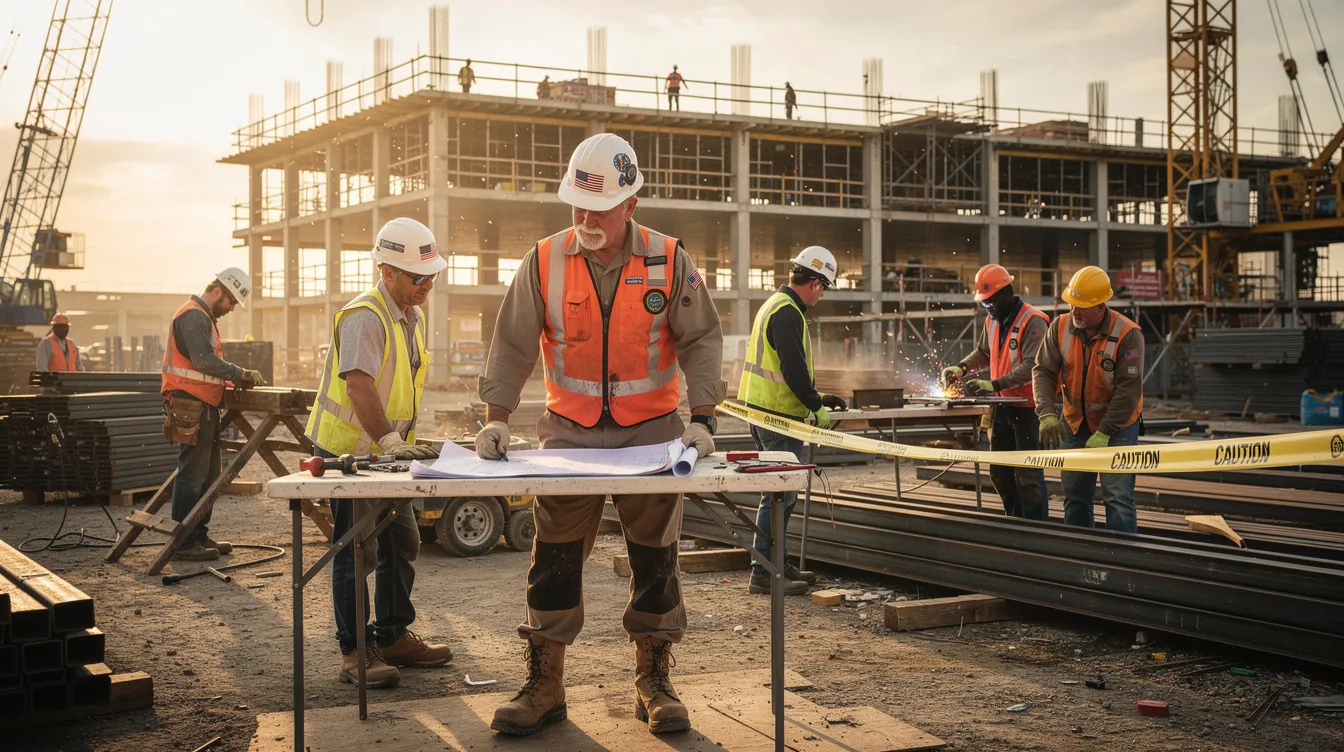
In a GI Bill apprenticeship, you are a full-time paid employee in an apprenticeship program while also using VA education benefits. Apprenticeships combine on-the-job training and classroom instruction, so you develop technical skills on real job sites while studying related theory. Eligible veterans can use GI Bill benefits for apprenticeship training at any VA-approved registered apprenticeship, and the apprenticeship or on-the-job training program must be approved by the VA or a state approving agency before benefits will flow.
The Money: Monthly Housing Allowance
Veterans can receive a monthly housing allowance during apprenticeships, and here is how the Department of Veterans Affairs structures it. The monthly housing allowance is based on the Department of Defense’s Basic Allowance for Housing for an E-5 with dependents, calculated at the ZIP code of your training location. It is entirely tax-free.
The MHA sliding scale for Post-9/11 GI Bill apprenticeship and on-the-job training works as follows:
- Months 1–6 of training: 100% of the E-5 with dependents BAH rate
- Months 7–12: 80% of that BAH rate
- Months 13–18: 60%
- Months 19–24: 40%
- 25 months and beyond: 20%
To receive the full monthly housing allowance, you must work at least 120 hours in that month in the apprenticeship program. Fewer hours mean the VA prorates or reduces the payment. If your Post-9/11 GI Bill eligibility is less than 100% based on your total active duty service, payments are further prorated. The upside is that entitlement usage actually decreases as you progress through each six-month period, which stretches your education benefits over the life of the apprenticeship.
Books, Supplies, and Retroactive Pay
Post-9/11 GI Bill participants can receive up to $1,000 per year for books and supplies. While in apprenticeship or on-the-job training, eligible apprentices receive up to $83 per month for supplies, paid at the start of your award period and again at the beginning of each academic year you remain in training.
Here is something many veterans miss: eligible veterans can receive retroactive housing allowances for apprenticeships. If you are already enrolled in an eligible program when you apply for GI Bill benefits, you may qualify for up to 12 months of retroactive allowance and stipend. For example, say you started an electrical apprenticeship in January but did not apply for benefits until September. You could receive retro payments covering those months, provided you meet the following criteria and your program was approved during that time.
Apprenticeship vs. Trade School
If you are weighing GI Bill trade schools in California against an apprenticeship, the differences are significant:
- A Post-9/11 GI Bill for a trade school program front-loads classroom instruction. You typically do not earn wages while enrolled, and your entitlement months get used up faster because the VA charges full months.
- A registered apprenticeship pays wages from day one, spreads the housing allowance across years of job training, and ends in a journey-level credential, not just a certificate or diploma. GI Bill benefits can cover tuition for approved apprenticeship programs while you simultaneously earn a salary.
Veterans trade school works well for those who want classroom-heavy learning before entering the workforce. A GI Bill apprenticeship suits veterans who want to earn while they learn and build construction careers for veterans without waiting years for a paycheck. Veterans can earn a salary while receiving a tax-free monthly housing stipend through the GI Bill, making your construction training effectively debt-free because your income plus housing allowance covers living expenses while you develop a long-term career.
Why California Is a Prime Place to Use Your GI Bill Apprenticeship
California is home to more than 1.8 million veterans, the largest veteran population of any state. The state faces a significant construction workforce gap, and that gap translates directly into demand for the skills you can build through a registered apprenticeship.

In April 2026, Governor Newsom announced $37.2 million in new funding for apprenticeship and workforce training for more than 60,000 Californians. Of that total, $18.6 million flows through the California Apprenticeship Council Training Fund to 160 registered building and construction trades apprenticeship programs. Those programs currently serve more than 55,000 building trades apprentices statewide, and they report median wages above $70,000 a year after completing the program.
National figures from the U.S. Department of Labor reinforce what California data shows. About 90% of apprentices stay employed after completing a registered apprenticeship. The average starting salary for completers is around $80,000 per year. Apprenticeships can lead to high-paying careers in various industries, and apprenticeships help veterans transition to civilian careers effectively. These are family-sustaining wages without a dollar of student debt.
These numbers matter if you are looking for careers without college and want a clear path from military service to stable employment. A GI Bill apprenticeship is a structured, multi-year commitment, not a short-term job. The construction workforce need in California spans electrical, plumbing, low voltage, and sheet metal/HVAC, and the demand for skilled labor in these fields is projected to grow for years.
Trades For All is a California-based nonprofit focused on construction trades education and workforce development. We help veterans, separating service members, women, and other underrepresented groups connect with pre-apprenticeship and registered programs that respect their background. The GI Bill can financially support individuals from underrepresented groups pursuing careers in construction trades through apprenticeships, and our mission is to make sure they know about it.
While America’s Workforce Academy and other initiatives support workforce pipelines nationally, this article focuses on how you can use your GI Bill to turn military experience into a construction career in California.
From Military Service to the Trades: Electrical, Plumbing, Low Voltage, and Sheet Metal/HVAC
Your time in uniform already taught you discipline, safety protocols, teamwork, and troubleshooting under pressure. Those skills transfer directly into the construction trades. Registered Apprenticeships offer veterans an earn-and-learn pathway that builds on what you already know.
Trades For All highlights four core California construction pathways for service members and veterans: electrical, plumbing, low voltage systems, and sheet metal/HVAC. You can pursue each through an apprenticeship program approved for GI Bill benefits.
Electrical
If you are wondering how to become an electrician in California, your military experience gives you a head start. Attention to safety procedures and lock-out/tag-out protocols mirrors electrical safety rules on job sites. Comfort with technical manuals and wiring diagrams from working on vehicles, aircraft, communications equipment, or power generation translates directly. Many employers in the electrical trade value the checklist discipline and ability to work under pressure that military veterans bring.
Plumbing
Plumbing apprenticeships align well with veterans who maintained water systems, handled field sanitation, or managed facilities on base. Hands-on mechanical work repairing pumps, valves, or fuel systems builds a foundation for both residential and commercial plumbing careers.
Low Voltage
Low voltage work in communications, alarms, data networks, and security systems is a natural fit for signal, comms, IT, and intelligence backgrounds. Running and terminating data cabling resembles installing military communications lines. Familiarity with radios, networks, and cyber defense supports work on access control, CCTV, and smart building systems. Many industries beyond construction, including health care and tech, rely on low voltage infrastructure.
Sheet Metal and HVAC
An HVAC apprenticeship is a strong fit if you maintained environmental control units, vehicle A/C, or refrigeration on ships and bases. Sheet metal work relates to aircraft structures, armor kits, or fabrication shops many veterans already know. HVAC technicians in California are in high demand because of the state’s climate and energy-efficiency goals.
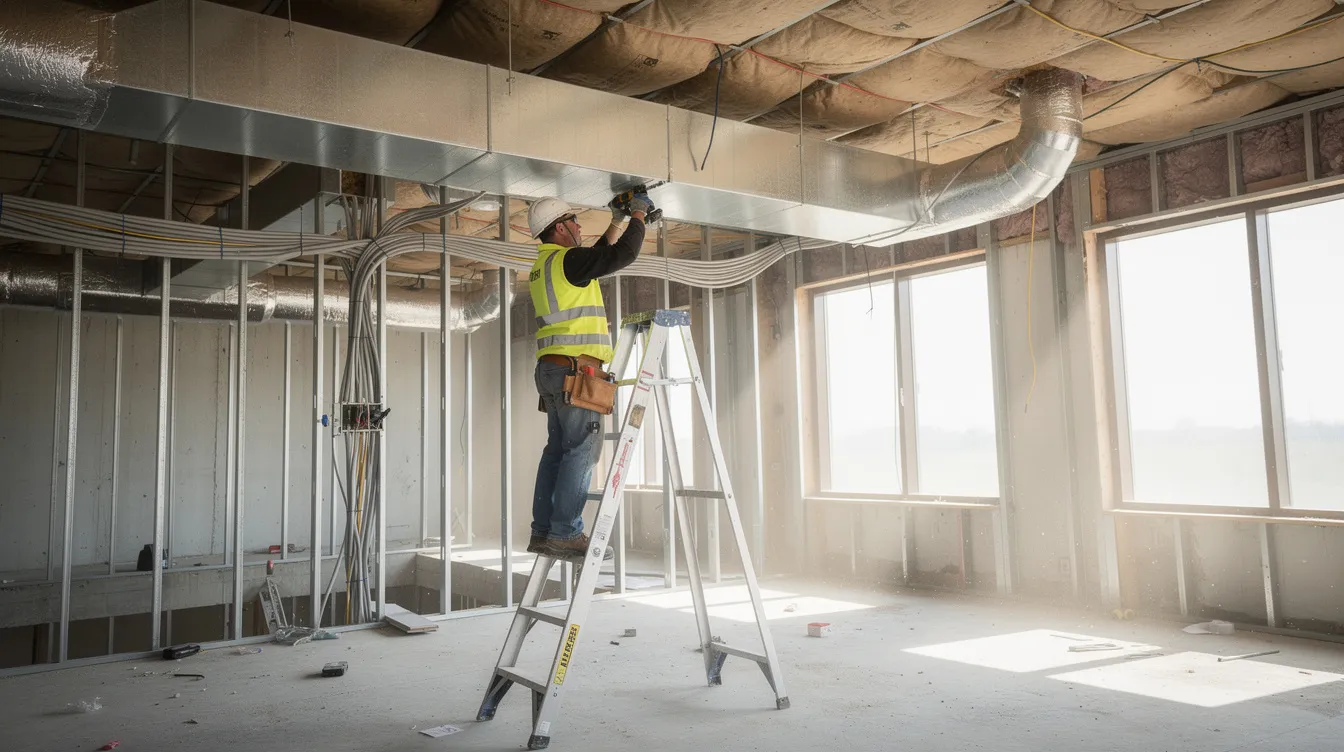
All four pathways lead to journey-level credentials at the end of a registered apprenticeship. Completing one gives you a portable credential, strong salary potential, and a foundation to build your own company if you choose. These are construction careers for veterans that do not require a four-year college degree.
Your MOS or rating is not a limitation. Infantry, logistics, supply, and admin veterans also succeed in these trades because of their reliability and leadership. Trades For All can help you translate your DD-214 and military tasks into language apprenticeship coordinators and employers understand, supporting advanced standing where possible so you can shorten your training time.
Pathways and Steps: From Active Duty to a GI Bill Apprenticeship in California
Whether you are an active duty service member, recently separated, or in the Guard or Reserve, here is a simple path from military service to a GI Bill apprenticeship in California.
USMAP: Document Hours While You Serve
The United Services Military Apprenticeship Program lets active-duty service members document apprenticeship-equivalent hours while still serving in certain ratings or MOSs. This record can help you transition more quickly into a civilian registered apprenticeship once you separate, especially in electrical, plumbing, low voltage, and sheet metal/HVAC. Think of it as a head start on your trainee hours.
DoD SkillBridge: Train Before You Separate
The DoD SkillBridge program lets you spend up to your final 180 days of active duty in full-time civilian training, apprenticeships, or internships while still receiving your military pay and benefits. Many California contractors and training service providers participating in SkillBridge bring in transitioning service members and sometimes feed them directly into a registered apprenticeship after separation. Keep in mind that if you are receiving full active duty pay, you generally cannot also receive the GI Bill housing allowance at the same time. The GI Bill usually starts after you separate and enroll as a veteran.
Veteran Readiness and Employment (VR&E)
If you have a service-connected disability, Veteran Readiness and Employment through the VA can sometimes be used instead of or alongside the Post-9/11 GI Bill to assist with apprenticeship training. Veterans with ratings should contact a VA counselor to compare VR&E and GI Bill options for their chosen trade.
Your Step-by-Step Sequence
- Pick a trade. Choose electrical, plumbing, low voltage, or sheet metal/HVAC based on your interests, physical abilities, and family needs. TradesForAll.org has a career quiz to help you decide.
- Confirm the program is approved. Verify that the apprenticeship program is registered with the California Division of Apprenticeship Standards and approved for GI Bill benefits by the state approving agency. Contact Trades For All to help verify this before you sign anything. Veterans must apply for GI Bill benefits to use them for apprenticeships, so do not skip this step. Employers must submit a training request form for approval, and approval typically takes about 30 days after submission. Employers must complete several VA forms for GI Bill approval, so confirm the paperwork is in order.
- Apply to the sponsor or employer. Follow the application and interview process for the apprenticeship sponsor, whether union or non-union, and secure a position that includes on-the-job training plus related classroom instruction.
- File your VA forms. Once accepted, work with the apprenticeship coordinator and your school certifying official to file the correct VA education forms, such as the Application for VA Education Benefits, to start your post 9 11 GI Bill for the apprenticeship.
- Track your hours and progress. Your employer submits your monthly hours to the VA, so you receive the right housing allowance and book stipend based on your time in training and your active duty history. Tracking progress and maintaining eligibility is essential in apprenticeship programs using GI Bill benefits.
Active duty service members cannot receive GI Bill apprenticeship payments while still serving, but preparing early through USMAP and DoD SkillBridge means your civilian life apprenticeship and benefits start quickly after discharge.
Gather key documents early: DD-214, transcripts, training records. These help you credit prior learning and possibly shorten your apprenticeship time through advanced standing. Registered Apprenticeship programs can attract veterans by offering GI Bill benefits, and employers can promote their programs as GI Bill approved after certification, so look for programs that already advertise this.
Trades For All offers resources and support for veterans, women, and reentry job seekers navigating these steps, connecting you to inclusive programs and industry partners that value your background and want to retain veterans in their workforce.
Meet Trades For All at the 2026 VIB Network National Conference
We have news. The Trades For All team will attend the 2026 VIB Network National Conference this fall, and we want to connect with you in person.
Here are the details:
- Event: 2026 VIB Network National Conference (Veterans In Business Network)
- Dates: November 2–3, 2026
- Venue: La Quinta Resort and Club, Palm Springs area, California
- Occasion: The VIB Network’s 10th anniversary
The conference connects veteran-owned and other diverse small businesses with corporations, government agencies, and prime contractors to build contracting partnerships. The agenda features an Opportunity Expo and structured one-on-one matchmaking sessions that put veteran-owned businesses in front of key buyers, suppliers, and decision-makers.
Trades For All is attending to meet veteran business owners who want to build veteran hiring pipelines in the construction trades, connect with veteran service organizations interested in promoting GI Bill apprenticeship opportunities, and talk with contractors who want to host apprentices and support debt-free training paths.
We invite you to find us there if you are:
- A veteran-owned construction or facilities company looking to grow your workforce with apprentices
- A veteran service organization that counsels separating service members on civilian careers and wants clearer information on GI Bill apprenticeships
- A public agency or private contractor committed to closing the construction workforce gap by creating more apprenticeship seats for veterans and underrepresented groups
Even if you are not an employer, knowing about the VIB Network and similar events helps you understand the ecosystem of support around veteran-led construction careers in California. For reference, 8.6% of active apprenticeships in Washington state are veterans, showing how broadly the veteran apprenticeship movement has grown nationwide.
Next Steps with Trades For All (and How to Get Started Today)
By combining a registered apprenticeship with your Post-9/11 GI Bill benefits, you can develop in-demand workplace skills and turn military experience into a construction career in California without taking on college debt. Registered Apprenticeships offer an earn-and-learn pathway that respects your service, pays you while you train, and builds toward high-paying careers in industries that need you.
Here is what to do now:
- Explore pathways. Visit TradesForAll.org to learn about electrical, plumbing, low voltage, and sheet metal/HVAC programs and explore what fits your goals.
- Take the career quiz. Match your skills, interests, and physical preferences with specific trades and apprenticeship programs.
- Contact Trades For All. Reach out via the contact form, phone, or email to review your goals, MOS, and location. Our team can help you find programs near you that are both state-registered and approved for GI Bill benefits.
- Confirm before you enroll. Before committing anywhere, verify with Trades For All and the program’s certifying official that the apprenticeship is properly approved so you can receive the housing allowance and book stipend from day one of eligibility.
If you are comparing options, remember that many veterans trade school programs are classroom-heavy and can be valuable, but may not provide a paycheck while you learn. A GI Bill apprenticeship gives you both a paycheck and tax-free housing support, plus an industry credential and strong employment outcomes.
If you are still on active duty, talk to your education office about USMAP and DoD SkillBridge placements with California construction employers. Start planning where you want to live and train after separation so you can choose a training ZIP code that maximizes your pay. Eligible participants for the GI Bill include veterans, certain reservists, and some spouses using transferred benefits, so your family may also be able to use this path.
You have already proven you can handle demanding training, long hours, and high-stakes situations. Your next mission is building a stable, well-paid civilian future through an apprenticeship program that respects your service. The registration process starts with a single step: visit TradesForAll.org and let the Trades For All team help you get there.

Frequently Asked Questions
Can I use the Post-9/11 GI Bill for both a trade school and an apprenticeship?
You have one pool of GI Bill entitlement, usually 36 months, and you can split it between a Post-9/11 GI Bill for a trade school program and a registered apprenticeship if you plan carefully. Classroom-heavy veterans trade school programs often use up entitlement faster because they charge full months, while apprenticeship entitlement is charged at a lower rate over a longer period as your housing allowance decreases every six months. You can use the GI Bill comparison tool available through the VA to model different scenarios. Speak with a VA education counselor and, if possible, with the Trades For All team before enrolling to map out the best combination for your success.
Do I need prior construction experience to start a GI Bill apprenticeship?
Most California registered apprenticeship programs do not require prior construction experience, but they do expect basic math skills, reliability, and a willingness to work hard in all weather. Military experience in any MOS or rating often counts as relevant background because it shows discipline, safety awareness, and the ability to learn new tasks quickly. Trades For All and its partners sometimes offer pre-apprenticeship programs that help you brush up on math and tools before applying, so you feel confident walking onto the job site.
Can spouses or dependents use transferred GI Bill benefits for an apprenticeship?
If Post-9/11 GI Bill benefits were properly transferred while the service member was still on active duty, eligible spouses and dependents can usually use those transferred benefits for approved apprenticeship programs. Rules differ from those for the original veteran, and some limits apply, so families should confirm with Veterans Affairs and the state approving agency before starting. Spouses or dependents interested in construction apprenticeships in California can also contact Trades For All for help finding inclusive programs.
What happens to my GI Bill housing allowance if my apprenticeship wages go up?
In a registered apprenticeship, the structure assumes your wages will rise as your skills increase. Your GI Bill housing allowance is scheduled to decrease every six months regardless of those raises. Employer pay raises do not reduce your percentage tier. Your total income shifts naturally from mostly allowance at the start to mostly wages by the time you are completing the program. Budget using both income sources and plan ahead for each six-month change in the housing allowance percentage.
Are there age limits or time limits for using the Post-9/11 GI Bill for an apprenticeship?
There is generally no fixed age limit, but there is a time limit for when you must use your Post-9/11 GI Bill benefits. Some veterans under the Forever GI Bill rules have no expiration date, while others under older criteria may face a 15-year window from separation. Your personal time limit depends on when you left active duty and which law applies. Check your VA benefits summary and confirm your remaining entitlement and expiration date before committing to a multi-year apprenticeship. If you are several years out of military service, this step is especially important.