
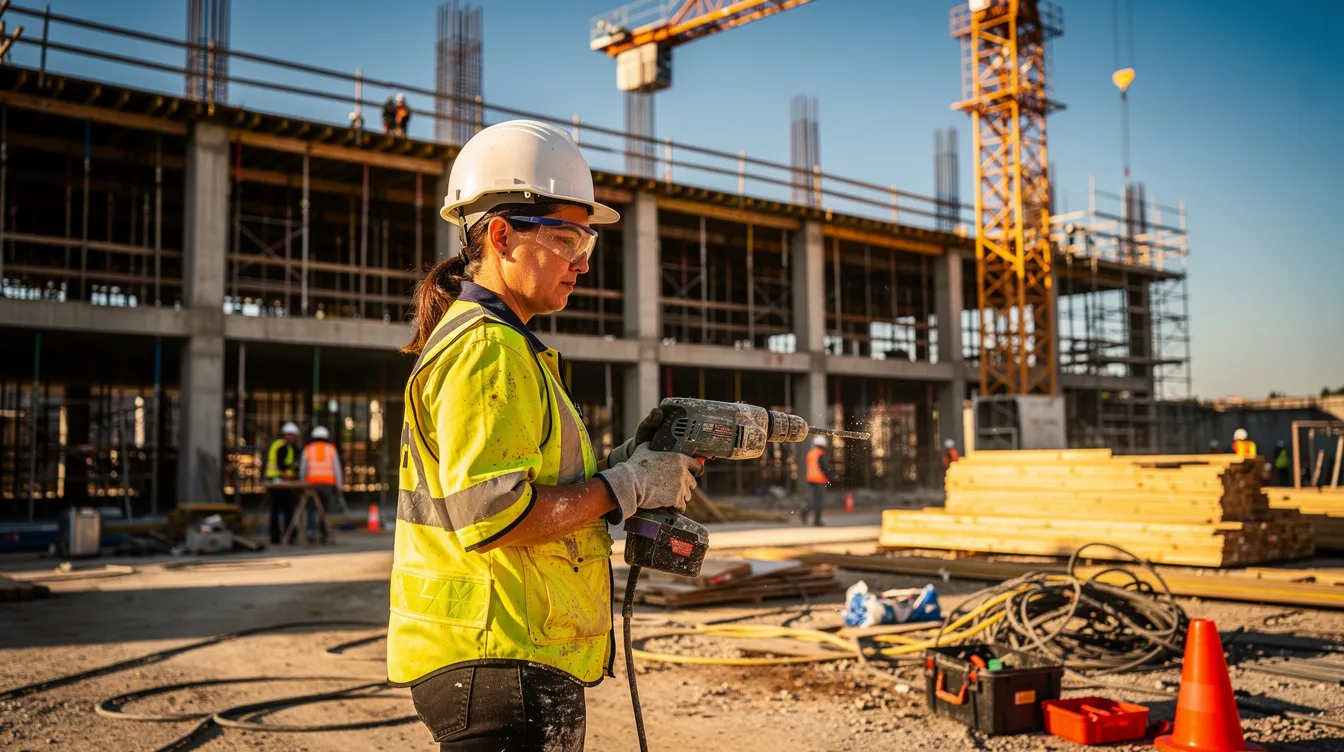

If you are an Indigenous woman in California thinking about a construction career, this guide is for you. It walks through practical ways to enter the building trades through paid apprenticeship and pre-apprenticeship pathways, and it explains the California support systems that can help you evaluate your next step.
Key Takeaways
California construction apprenticeships let you earn wages while you train, combining paid jobsite experience with classroom instruction through state-registered programs.
Because publicly verified California data does not consistently break out Indigenous women as a separate construction workforce category, the clearest supported approach is to use California’s broader women-in-construction and underrepresented-worker pathways while also seeking community support that fits your cultural and family responsibilities.
This guide covers the California Division of Apprenticeship Standards, pre-apprenticeship and apprenticeship pathways, the Women in Construction program, the ERiCA grant, HRCC 2026, community-college connections, and how Trades For All can help you compare options.
You do not need prior construction experience to start exploring. Many programs are built for beginners, though exact entry requirements vary by trade and sponsor.
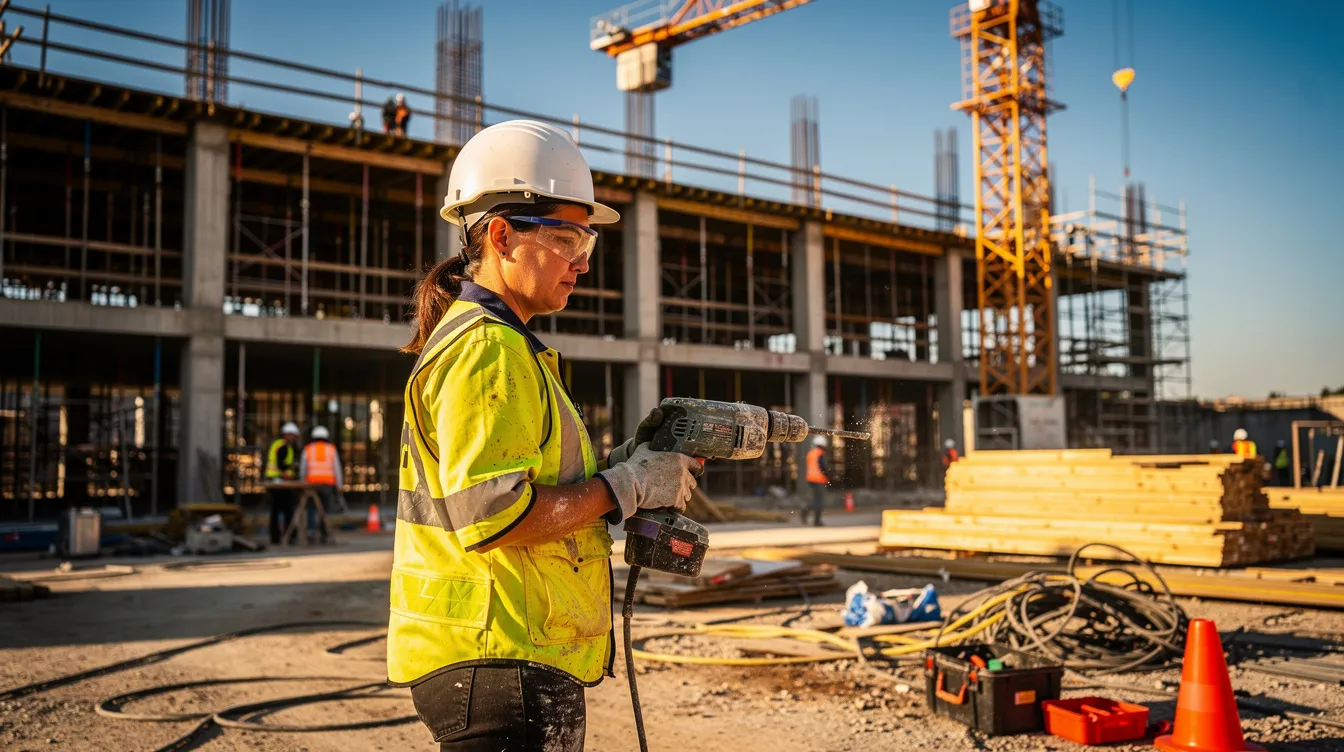
Why Indigenous Women in Construction California Need Clear Pathways
If you grew up around hands-on work but were never shown a clear route into a licensed trade, you are not alone. Many women first hear about electrician, plumbing, HVAC, carpentry, or low-voltage careers only after they are already juggling work, family, or caregiving responsibilities.
That is one reason this topic matters. California has public apprenticeship systems, women-in-construction resources, and grant-funded access programs, but finding the right entry point can still feel confusing if no one in your circle has used them before.
For Indigenous women, the challenge is not only choosing a trade. It can also be finding a pathway that respects your schedule, your support needs, and the reality that you may want a training environment where you are treated with dignity from day one. Rather than claiming California has fully built Indigenous-specific pathways statewide, it is more accurate to say Indigenous women can use the same verified California apprenticeship infrastructure available to other underrepresented workers, while also leaning on tribal, Native-serving, or community support networks where available.
Construction is not a backup plan. It can be a long-term skilled career with structured training, portable experience, and a clear progression path. The most useful first step is not guessing whether you belong. It is learning how California’s system works and how to judge whether a specific program is worth your time.
Understanding California Construction Trades and Pathways
Construction trades include a wide range of occupations, from electricians, plumbers, sheet metal workers, and HVAC technicians to carpenters, ironworkers, heavy equipment operators, laborers, and low-voltage installers. Each trade has its own training structure, work environment, and day-to-day demands.
Three common starting routes exist:
- Registered apprenticeship: a state-approved program that combines paid work with related classroom instruction.
- Registered pre-apprenticeship: a readiness program linked to at least one registered apprenticeship sponsor, designed to help you build basic skills and prepare for application.
- Direct entry into entry-level construction work: a route that may help you start earning sooner, but that does not automatically provide the same structured wage progression or credential path as apprenticeship.
If you want the strongest long-term structure, registered apprenticeship is usually the benchmark to compare against. California’s Division of Apprenticeship Standards maintains apprenticeship search tools and standards information so you can look for programs by trade and region. Community colleges may also handle the classroom side of training, depending on the sponsor.
If you want a broader side-by-side comparison of routes, Trades For All publishes a summary on finding your best construction pathway.
Meeting Basic Entry Requirements: What You Really Need
Specific requirements vary by sponsor, but many construction pathways in California ask for some combination of the following:
- Minimum age requirements, often 18 for adult apprenticeship entry
- A high school diploma or GED for many programs
- Basic math and reading skills for safety instructions, measurements, and training materials
- Reliable transportation to class locations or job sites
- The physical ability to perform the essential demands of the trade you choose
You don’t need to know how to wire a panel, cut pipe, or read advanced plans before you begin. Apprenticeship exists to teach the trade. If you are missing one piece, such as GED completion, construction math confidence, or transportation planning, pre-apprenticeship programs, adult schools, community colleges, workforce centers, or local support organizations may help you close that gap before you apply.
Do not rule yourself out too early. A better approach is to contact a specific program and ask for its written entry requirements.
Pre-Apprenticeship: A Strong First Step for Indigenous Women
Pre-apprenticeship can be a smart first move if you want to test the trades before committing to a multi-year program. These programs prepare you for apprenticeship by building foundational jobsite skills and connecting you to a real next step.
A solid pre-apprenticeship may include:
- Construction math and measurement review
- Tool and materials familiarity
- Safety training
- Career-readiness support such as resumes, applications, or interview preparation
- A documented connection to at least one registered apprenticeship sponsor
This route can be especially helpful if you want time to compare trades, rebuild confidence after time away from school, or learn in a more supported environment before entering a jobsite. It can also give you a clearer way to evaluate whether a program really understands the needs of women and other underrepresented workers, or whether it is only using inclusive language in its marketing.
When you compare pre-apprenticeship options, ask two direct questions: Is the program registered, and which registered apprenticeship sponsor does it connect to? If those answers are vague, keep looking.
Registered Apprenticeship in California: How It Works Day to Day
Registered apprenticeship is an earn-and-learn model. You work on real job sites, learn from experienced workers, and complete related instruction over time. Instead of paying tuition first and hoping it leads somewhere, you enter a structured training path tied to real work.
Most programs use written standards covering work processes, wage progression, instruction, supervision, and advancement. The exact schedule, pay steps, benefits, and training sequence vary by trade and sponsor, so ask each program for details rather than relying on broad averages.
California offers both union and non-union apprenticeship pathways. For job seekers, the practical question is not which label sounds better. It is which specific program offers legitimate registration, clear training, safe supervision, and a realistic path for you to stay enrolled and grow.
Before you apply, ask about class timing, expected commute range, physical demands, and what support exists if life responsibilities affect attendance. Those answers matter just as much as the trade itself.
State Support for Access: ERiCA, Women in Construction, and HRCC 2026
California currently has several verified programs and initiatives to improve access to construction pathways for women and other underrepresented groups.
ERiCA Grant: California’s Equal Representation in Construction Apprenticeship grant is administered by the Division of Apprenticeship Standards. The current 2025 to 2027 round states that it is designed to increase equitable access to building and construction pathways for women, non-binary individuals, and underrepresented populations. The round lists recruitment, childcare, and worksite culture as funding categories. It also states that eligible childcare support can reach up to $5,000 per eligible participant in registered pre-apprenticeship and up to $10,000 per eligible participant in registered apprenticeship, depending on program design and eligibility.
The ERiCA page also states that DAS awarded $25 million in the first round for 2023 to 2025 and $26,169,217 for the 2025 to 2027 round. That means the support exists, but you still need to ask each local program whether it actually receives ERiCA funding and what supports it offers directly.
Women in Construction Program: California’s Department of Industrial Relations maintains a Women in Construction resource hub with information on trade and training options, mentorship and support resources, child care and parental leave resources, workplace safety, workers’ rights, and discrimination and harassment prevention. The same state resource emphasizes that workers in California have rights regardless of sex, race, gender, immigration status, and other protected characteristics.
HRCC 2026: The California Workforce Development Board, in partnership with Caltrans, announced High Road to Construction Careers 2026 funding to support entry into joint-apprenticeship programs for people who have traditionally faced barriers in the construction trades, including women, veterans, and justice-involved individuals. If a local workforce organization references HRCC 2026, ask how that funding translates into actual training access, partner programs, or support services in your area.
None of these statewide initiatives are limited specifically to Indigenous women. Still, they can be valuable entry points for Indigenous women using California’s broader underrepresented-worker pathways.
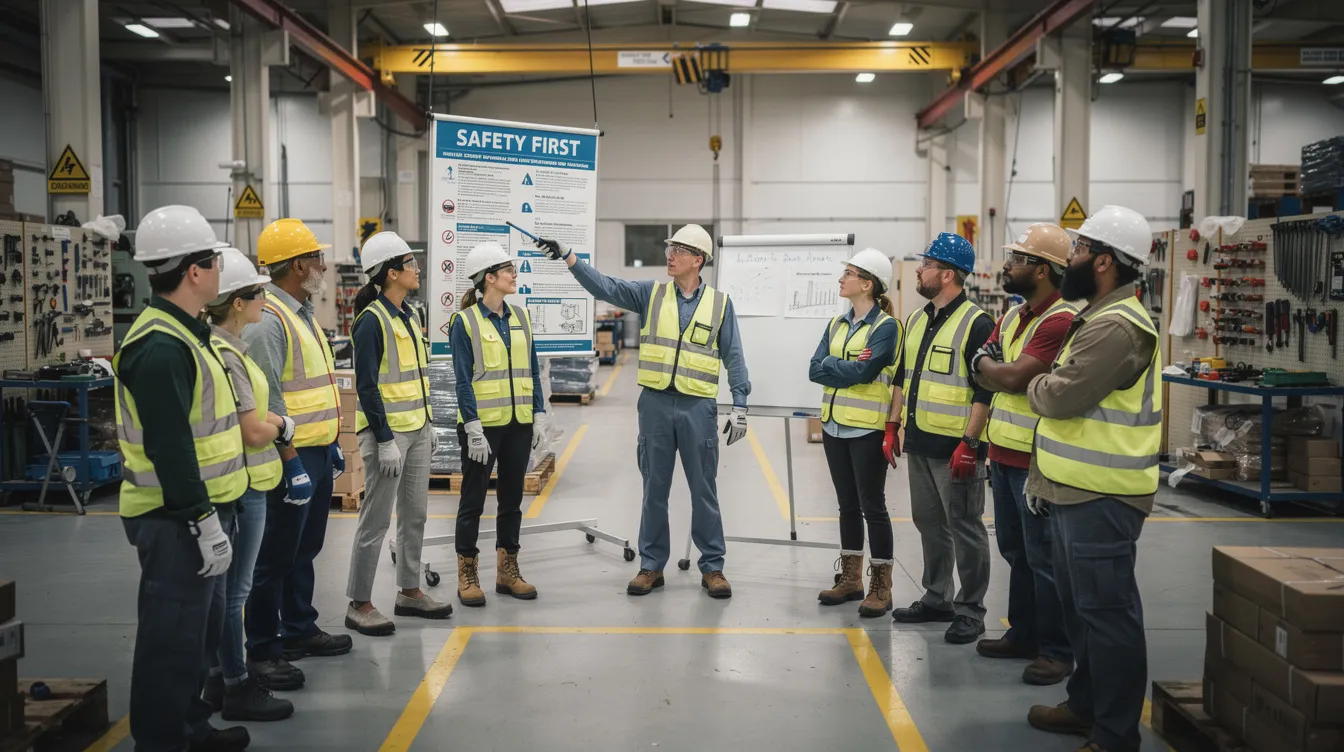
How to Evaluate Programs for Practical and Cultural Fit
Because the public California evidence is much stronger on women-in-construction access than on Indigenous-specific program tracking, your best protection is asking sharper questions before you commit.
Program quality
- Is the program registered with the California Division of Apprenticeship Standards?
- Which trade does it cover?
- What does the training schedule actually look like?
- How is progress reviewed?
- What happens if work assignments or training hours stall?
Support and access
- Does the program offer childcare help, transportation guidance, tutoring, mentorship, or case management?
- Is any of that support tied to ERiCA or another public funding source?
- Can you contact someone before enrollment if family or caregiving obligations affect your schedule?
Workplace culture
- How are harassment and discrimination complaints handled?
- Who should you contact if something feels unsafe or disrespectful?
- What does the program do to prepare supervisors and journey-level workers to train apprentices well?
Personal fit
- Can you realistically manage the commute?
- Does the trade match your tolerance for heights, weather exposure, confined spaces, or repetitive lifting?
- Can you picture yourself doing this work consistently, not just trying it once?
If cultural respect matters to you, ask direct questions about communication, flexibility, support networks, and whether the program has experience supporting women from different communities. You do not need a perfect answer to every question, but you do need honest ones.
Trades For All also publishes guidance on how to spot a workplace where you will thrive and how to find credible mentorship support.
Step-by-Step: Getting Started in Your County or Community
You do not need to solve everything at once. Start smaller.
- Choose one or two trades that genuinely interest you.
- Use California apprenticeship search tools and local workforce resources to identify registered programs.
- Ask each program for written requirements, schedule expectations, and support details.
- If you want a lower-risk entry point, compare pre-apprenticeship options first.
- Reach out to tribal education offices, urban Indian centers, Native-serving nonprofits, or community support networks if you want help with applications, transportation planning, or encouragement.
- Use a checklist so you can compare options before saying yes.
If you are in Los Angeles, Orange, Riverside, San Bernardino, or Ventura County, Trades For All can help you explore local pathways and compare what different construction routes may look like.
Balancing Construction Training with Family, Culture, and Community
For many women, the real question is not just “Can I do the trade?” It is “Can I make the schedule work with the rest of my life?”
Before enrolling, ask about class times, attendance expectations, commute realities, and whether any childcare or support services are available. Build a weekly plan that includes work hours, instruction time, travel, meals, rest, and family responsibilities. That may sound basic, but it is often what keeps a promising opportunity from becoming overwhelming.
If cultural or community responsibilities are important in your life, raise scheduling questions early rather than waiting until you are already struggling. Not every program will be flexible, but a trustworthy one should at least explain expectations clearly and tell you how absences, make-up work, or communication are handled.
Using Mentorship and Networks to Stay in the Trades
Getting into construction is one milestone. Staying long enough to build a real career is another. Mentorship and peer support can make a major difference, especially if you are entering a field where you may not see many people who share your background.
Look for support in several places: inside your training program, through local women-in-construction resources, through Native-serving organizations, and through people you trust who can help you think through difficult decisions. Mentorship does not always have to be formal to be useful. A journey-level worker, instructor, coordinator, or community mentor who answers questions honestly can help you stay grounded.
If you want a practical guide to finding stronger support, Trades For All’s mentorship article can help you prepare the right questions before you contact a program.
How Trades For All Supports Indigenous Women Exploring Construction
Trades For All is a California-focused career-discovery and workforce-development platform powered by ABC Southern California through the ERiCA initiative. It helps people explore trades, compare pathways, and take real next steps.
That can include:
- Career exploration content about different construction trades
- Simple explanations of pre-apprenticeship, apprenticeship, trade school, and related routes
- Guidance for women and other underrepresented Californians evaluating supportive programs
- Connections to training options in Southern California where relevant
If you are still deciding whether the trades are right for you, start by narrowing your options instead of trying to research everything at once. One trade, one comparison list, and one conversation with a real program coordinator is enough to create momentum.

Frequently Asked Questions: Indigenous Women in California Construction
Below are answers to common questions about this topic.
Do I need construction experience before I can apply to a California apprenticeship?
Often, no. Many apprenticeship pathways are designed to train beginners. Still, each sponsor sets its own requirements, so always confirm directly with the program you want.
Can I start without a high school diploma?
Some programs require a high school diploma or GED, while others may offer different entry points or preparation options. If you do not have one yet, ask whether a pre-apprenticeship, adult school, or community college can help you prepare while you work toward that credential.
Are apprenticeships paid?
Yes. Registered apprenticeships are paid training pathways. Exact wages and progression schedules vary by sponsor and trade, so ask for the written wage schedule when you compare programs.
What if I need childcare or transportation help?
Some programs may offer help through ERiCA or other support funding. Availability isn’t automatic, so ask each program what it provides, who qualifies, and how to apply.
How can I tell whether a program is legitimate?
Start by confirming that it is registered with the California Division of Apprenticeship Standards or formally connected to a registered apprenticeship sponsor. Then ask for written standards, schedule information, and a clear explanation of what happens after training.


